genealogy, Writing and Arts

Your Family Tree

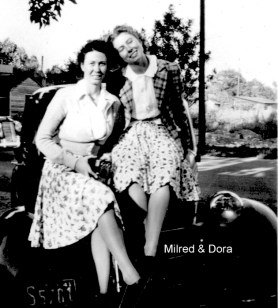
milred and dora sitting on carLearning about your ancestors can be so fun. When it comes to genealogy, you probably wonder where to begin, especially if you’re a beginner. A genealogy website that is free to the public is www.FamilySearch.org. There are no fees.

After you create a username and password, fill in the information about your parents and grandparents. Remember one thing! Only loved ones who have passed on will be visible on FamilySearch. Anyone who is still alive that you added to your family tree will not be visible to the public until that person passes on. It will only be visible to you. This is for the privacy of that person.

How do you begin? Here are the most important steps in order.

  1. Preserve Memories: Record the memories of your parents and grandparents. Talk to your relatives and find out what they can remember. Write down their trials in life, their accomplishments, and humorous experiences. Add letters they wrote to the biography. If you don’t do this, their experiences will be forgotten. Your children need to know their heritage. When you’re done, go to that person’s page and post the biography you wrote in the section labeled: Memories. You can also have it published in paperback to give to your family.
  2. Collect Photos: Scan all your family photos at a high resolution such as 300dpi. Then upload them to FamilySearch in the section labeled: Memories. When you upload them, make sure to label them, telling about who is in the photo and the date or their age. Get your children involved and have them help you with this project. The FamilySearch Center allows you to scan your photos free. There’s no charge.
  3. Collect Documents: These should be birth certificates, marriage certificates, and death certificates. You can add certificates that they earned during their lifetime such as graduation, competitions they were involved in, sports, plays they were in, etc. When you’re ready, upload them to that person’s page under “documents” in Memories.
  4. Record your family for two to four generations and all their children.

There are also free online classes at FamilySearch in the link below that can help you in your research. To see what classes are taught each day online, click on the “Class Schedule.” Classes are taught daily at 10:00 a.m., 1:00 p.m., 5:00 p.m. and 7:00 p.m.

Go to Family Search Online Classes: https://www.familysearch.org/wiki/en/St_George_Utah_FamilySearch_Center
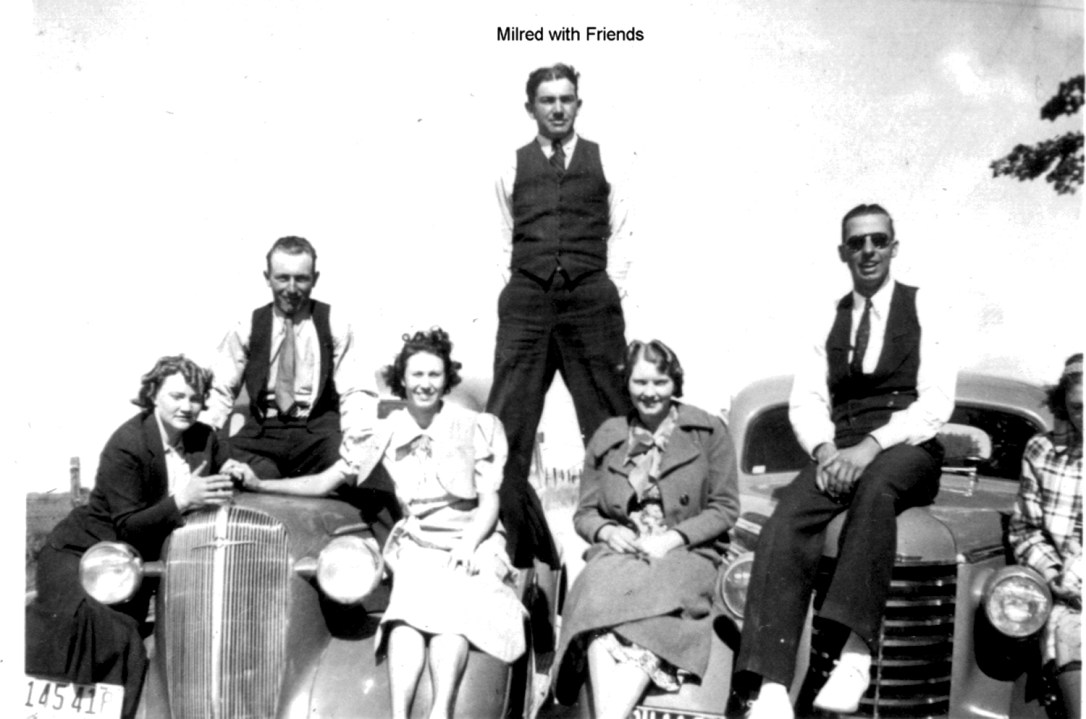
Milred and 2 carsA

genealogy, Writing and Arts

Genealogy for Beginners

Would you like to learn about your ancestors? There is a genealogy website that is free to the public where you can learn about your heritage. It’s absolutely free. No fees at all. How do you get started?

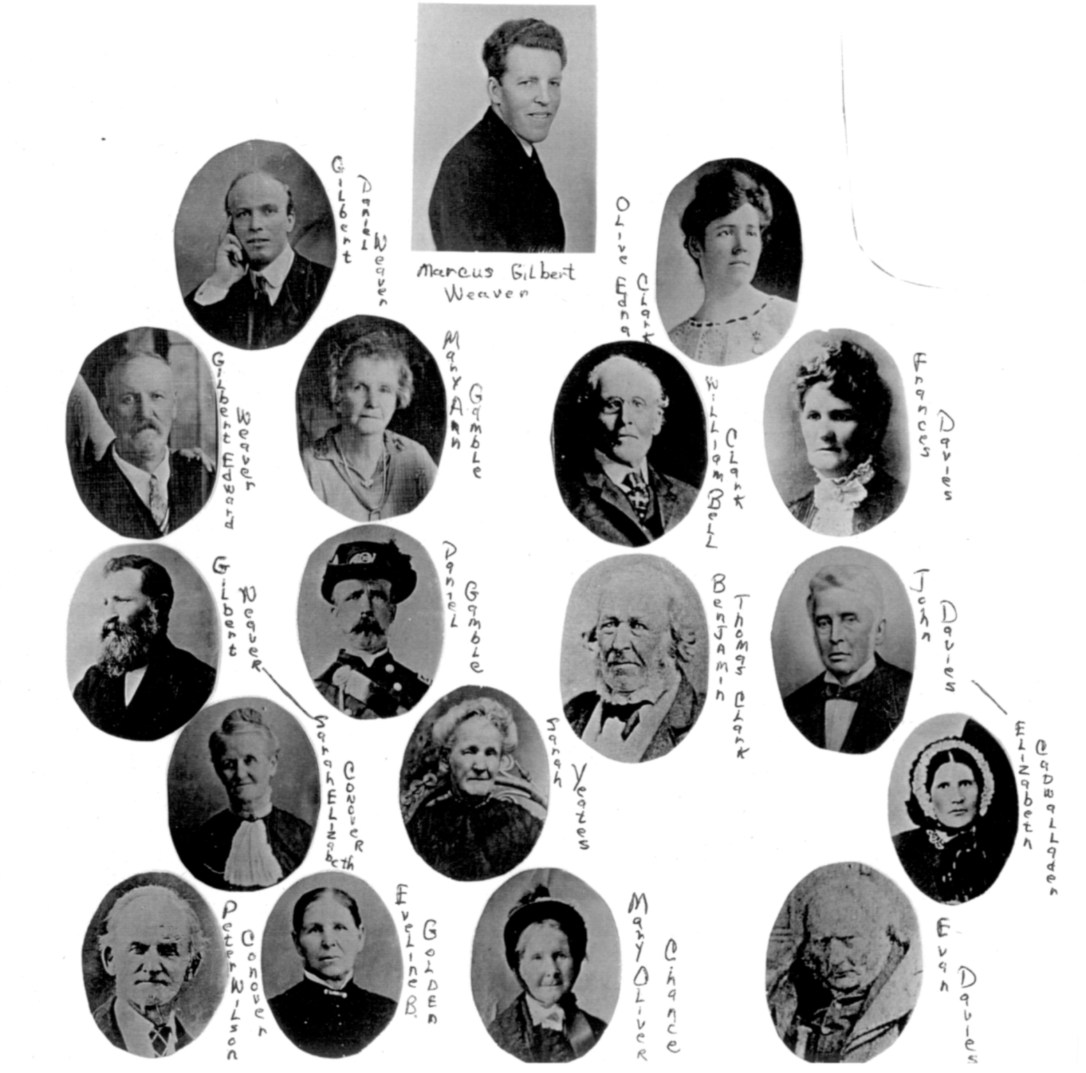
Marcus Weaver Family 01

Go to www.familysearch.org.

  1. Create a username and password and any other information about yourself.
  2. Fill in the information about your parents and grandparents next. Record your family back two to four generations and record all their children.
  3. You can upload photos, documents, stories, and audios to the pages of your parents and ancestors in the section labeled “Memories.” Preserve original photographs by scanning them and uploading them to Memories. This should be your number one priority. If you don’t record these memories, they will be lost.

Remember one thing. Due to the privacy policy, only information about deceased people will show. So if you upload a bunch of photos and stories on your own page about yourself, it won’t be visible to others until you pass on. This is the same for any of your living relatives.

Don’t get overwhelmed with too many projects! As you gradually become confident, you can set more goals such as researching your family’s history. Work on “Memories” first and make that your number one priority.

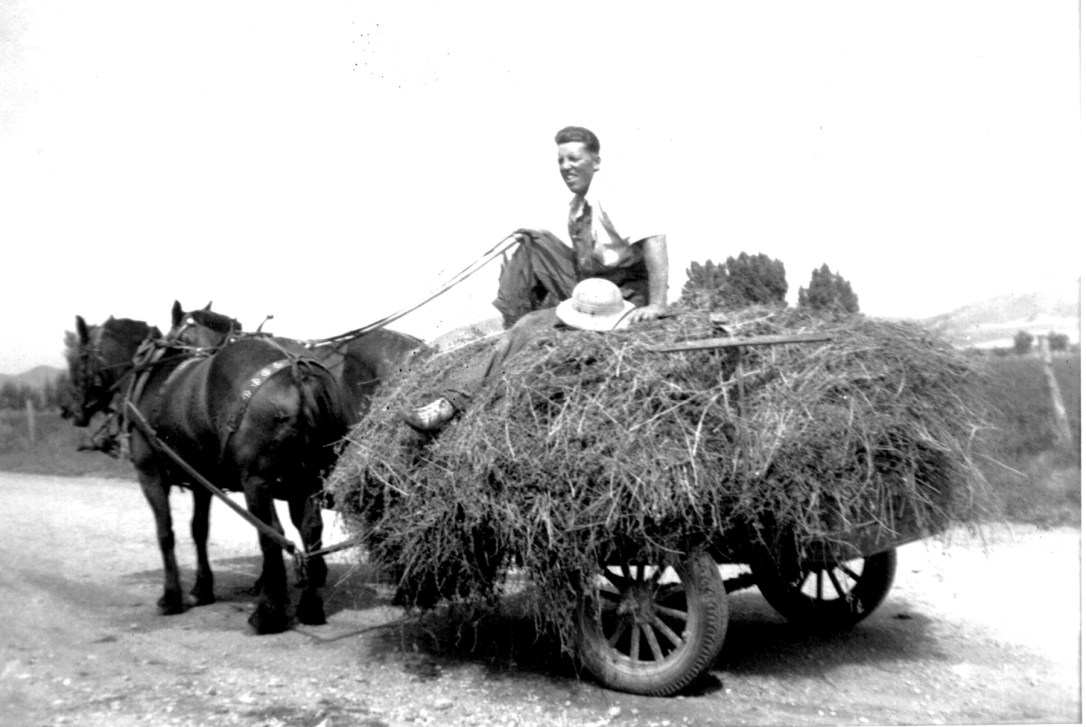
Marcus and haywagonA

What is Genealogy?

“Genealogy is the study of a family’s origins and history and is often referred to as a family history.  The first known use was in the 14th century to display a pedigree of royal, aristocratic, or clerical blood lines as a means of gaining and commanding respect.   Some family trees, like that of Confucius, have been found to list 80 generations dating back 2,500 years.

“Initially passed down by word of mouth the family genealogy was later depicted in the form of stylish paintings and documents.   It has currently gained international interest as access to more and more on-line records has resulted in significant advances in its documentation and display capabilities.   As it was in the times of an ancient king’s genealogy which showed his relationship to the gods, today’s family histories continue to be a form of storytelling to preserve the past for future generations.   In today’s climate, the more accurately one can document the past the more likely it will survive through the ages.  Today’s genealogy can take the form of simply collecting and preserving family information, all the way up to adding information to the world tree.” –FamilySearch

There are free online classes at FamilySearch:

https://www.familysearch.org/wiki/en/St_George_Utah_FamilySearch_Center
To see what classes are taught each day online, click on the “Class Schedule.” Classes are taught daily at 10:00 a.m., 1:00 p.m., 5:00 p.m. and 7:00 p.m.

Below the Class Schedule is “Join Class.” When you click on that link during a class, you can listen and join in the conversation because it will be live. The teacher can answer any questions you have. The two classes I teach each month are: Writing Your Biography and Publishing Your Biography.