genealogy

FamilySearch Helps You Preserve Your Heritage

Is genealogy only about finding your ancestors? No, there’s much more to it than that. It’s about learning who they were and how they lived. At FamilySearch, they say that your grandparents’ lives are “made up of stories that document the joys and tragedies of life. Preserving our stories can bless future generations.”

This is so true. Write something about your grandparent that is endearing or humorous or just worth remembering. It’s something you can share with others. Below is an example of a humorous story I wrote on my father’s Memories page.

When Marcus was thirteen, one day he closed down the school. It wasn’t on purpose, but his friends thought he was a hero. His father had asked him to bury the skunks that he shot so they wouldn’t get into the chicken coop. It wasn’t any big deal because he had been trapping skunks, weasels, and gofers all summer long. But before he buried these skunks, he went to his bedroom and got his glass jar. All summer he had been collecting their scent in a bottle. Before burying the skunks, he drained their scent glands and then screwed on the lid nice and tight.

The following day, he took the “skunk oil” to school with him to show his classmates. Marcus was so excited as he explained what he had done. His friends were listening and a few girls were peeking over his shoulder to see what he had in the bottle. They had never seen “skunk oil” before. With all the excitement and attention he was receiving, he felt the bottle slip from his hands and land on the floor of the schoolroom.

The bottle broke into a million pieces and skunk oil splattered everywhere. It landed on the pant legs of his friends, the skirts of young girls standing nearby, and on his own shoes. As the oil saturated the wooden floor, the girls screamed and the boys moaned as the room filled with the most putrid, foul, disgusting, detestable odor anyone had ever breathed in. The smell was so nauseating and repulsive that it could not be described in words.

The children instantly held their noses with their fingers and turned and ran out the door, stumbling over one another as they ran. Marcus was close behind. And so was the teacher! She excused school for the rest of the day and Marcus did not get into trouble. He figured the children were so excited to get out of school that no one told on him.

To add a story, go to your grandparent’s Memories page.  Click on “Add Memories” and then “Story,” then begin writing. You can add a title to the story and a photo. When you’re done typing, save it. If you want to correct an error in the story later, click the “edit” button. If you would like to copy and paste a story that you have already written, you must enter a space between each paragraph. Otherwise you will have one long paragraph because this program doesn’t recognize “tabs.”

Is that all you can do on Family Search? No, there is more. If you feel writing a story is daunting because you don’t type well or you have arthritis in your hands, I have a fantastic idea. Instead of writing a memory about your father, you can choose to record a memory about him. It is so simple. In his Memories page, click on “Add Memories” and then click “Audio.” Add a title and begin recording by clicking on the red circle with a microphone in the center. When you’re finished, click “Done.” This is a great way of preserving memories of your loved ones.

If your parents are beginning to age and you’re worried about not getting their stories down on paper, just have them sit down and record their own stories on Family Search. Listening to them talk about their experiences can be endearing. Encourage them to get an account and help them get started.

Another way of preserving a long biography that has many pages is by uploading a .pdf document.

What else can you do on Family Search? Adding photos, newspaper articles, documents, and certificates to your grandparent’s page help to tell a story about them. Check with your relatives and find out if they have some old photos and family stories about your grandparents. A distant relative may have something you didn’t know about.

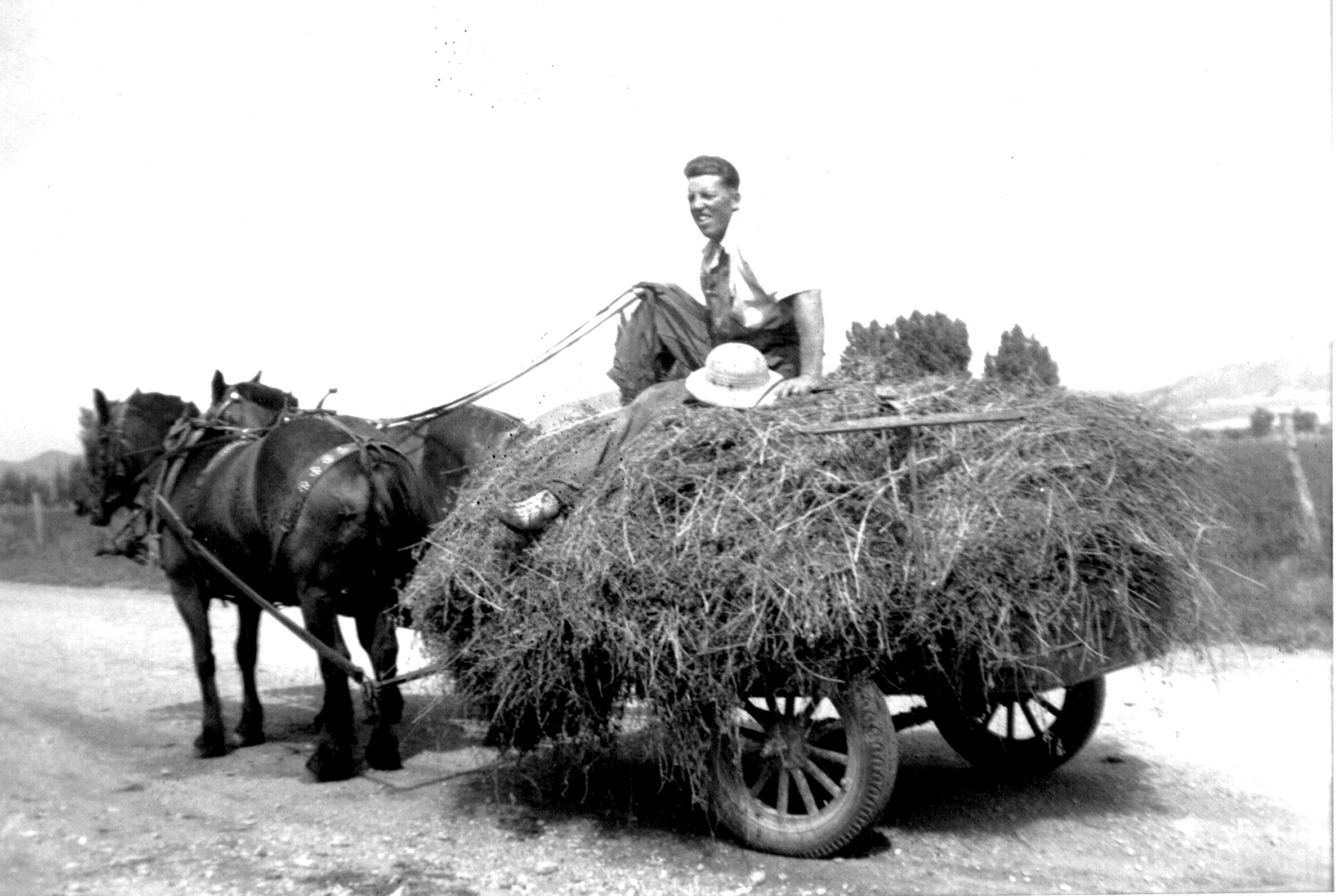
Below is a photo I found of my father sitting on a hay wagon. I love this photo. It tells a story about how they farmed way back in the early 1900s.
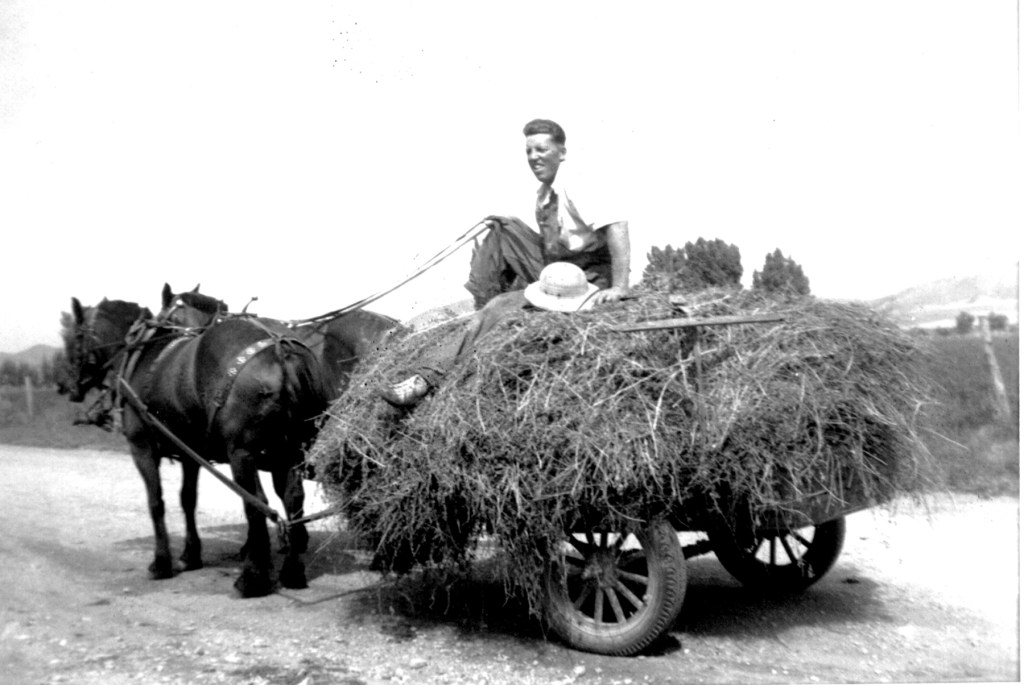
It is so simple to add photos and documents to your grandparent’s page. This program supports .jpg, .tif, and png. This can be fun to add memory after memory to your ancestor’s Memories page.

How about the privacy of a living person? If your parents are still alive, only you can see their page in FamilySearch. Once your parents have passed on, any photos, documents, and stories that were attached to their page will be visible to all your relatives. The same goes for you, as well. If you choose to attach a bunch of awesome photos and stories about yourself to your page, they won’t be visible until you pass on. This is for your own privacy.

Is that all you can do on Family Search? No, there is still more. If you have a recording of your relative singing or just talking about a childhood experience, you can upload it to his or her page. Just click on “Add Memories,” “file,” and “Your Device.” At this point, you may add anything that is .mp3, .m4a, and .wav up to 15 MB. I was excited about this feature because I have a CD with me singing at a recording studio. I added each song to my page. But… no one can see my page at this point until I pass on.

If you’re interested in joining Family Search, anyone over 13 years of age can create an account. Here are the steps to follow. It is important to have your mobile phone with you to activate your account.

1. Go to FamilySearch.org and click Create Account.​​

2. Enter the required information along with a username and password.

3. Click on “text” or “email” for a recovery option in case you forget your username or password. If your country is not in the location list, you must use an email address for recovery.

4. To agree to the terms, check the box andclick “Done.”

5. Look for a message in your email or a text message on your phone to activate your account.

By the way, there is also a Family Search mobile app that you can upload to your phone. Just sign in with your account username and password. Once you sign in, you won’t have to sign in again unless you change your password. Have fun! Enjoy getting to know your ancestors.

Click on the link below and it will take you to FamilySearch.

To learn how to start your family tree, add ancestors, add photos, and add stories about each ancestor, watch this 14-minute video.

genealogy, Writing and Arts

Have You Made A New Year’s Resolution?

A New Year’s resolution can inspire you to do something you have been putting off. Have you ever considered writing your parent’s and grandparent’s biography? How about writing your own autobiography? Make it your New Year’s Resolution.

Why should you write your family history? Writing your family stories can help you appreciate your heritage. Each of us has a story from our ancestors or even our own story to tell. If these stories are unwritten, how are your children going to know their heritage or family traditions? Will these stories and traditions be lost to your children because no one put them down on paper? It’s up to you to write down these experiences so your children can be proud of their heritage.

This will be the beginning of a marvelous journey for you. You will learn things about them that you didn’t even know.

Whether you’re writing about a loved one or your own story, you might feel that it is overwhelming and aren’t sure how to begin. If you have an inspiring story to tell or intriguing incident to relate, perhaps writing each experience as a short story would be easier for you, rather than writing the stories in chronological order. Each chapter could be a short story.

How do you begin? How do you write your story to make it interesting? First thing to do is introduce your ancestor. You can begin with a humorous incident for your first chapter. That will easily grab the attention of your reader.

As you tell a hilarious incident, don’t forget to describe your relative. What does he or she look like? This way the reader can picture his grandfather in his mind.

How do you make the story interesting? The best way is putting yourself in their shoes. Adding feeling to your story is very important. If you don’t weep while telling a sad story, then write it again. If you don’t laugh during a funny incident, then rewrite it. You need to touch your own heart first before you’ll touch the hearts of your readers. How do you go about this? You must describe how your ancestor must have felt. It’s important to add feelings of joy, enthusiasm, fear, laughter, or even frustration to your story. If you’re writing your own story, tell how you felt as you tell about an incident that happened to you.

If you were scared, did your knees shake? Did your heart beat rapidly? Did you tremble? When my grandmother wrote about some experiences she had in her journal, I was impressed with how she described her emotions. This is what she wrote:

“I took to the center of the road as it was darker on the walks and I didn’t like to get too near those weird looking factory buildings and alleys on both sides of the silent streets. Presently I heard footsteps. I saw a man following me. As I hurried, he also did. My tongue became dry and fear seized me. I prayed as I ran. I not only ran but I flew. How I crossed that tiny footbridge, I never knew! But I couldn’t feel the touch of the ground under my feet as I sped onward. With my Bible clutched tightly under my arm, I had left the man, downs, and everything behind, and was soon on the lighted highway and home.”

That was a great description of fear. If you have written your own autobiography or your grandparent’s account of a fearful experience, read it again and notice if you added “emotion” to your story. This makes it hard for the reader to put down the book.

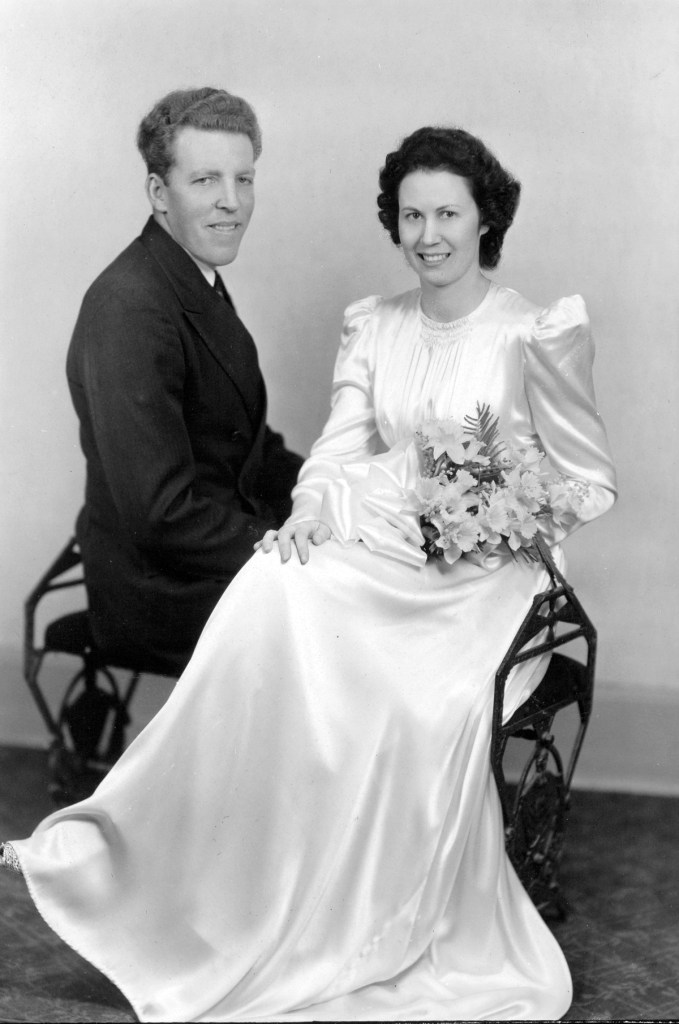
If you were frustrated about something, did your face turn red? Did you stomp your foot? Did you throw your hands in the air? How about feelings of love? Your children would absolutely love to find out how you felt about your spouse when you first met. When I asked my mother what it was like when she first met my father, this is what she told me. “When our eyes met, my heart leapt within me and a warm glow filled my soul.” I was so impressed with her description.

When I read my father’s account, this was what he wrote: “All I remember is a wonderful perfect dream that goes through my mind like a marathon night and day. I dreamed I met a girl Saturday night, a perfect girl whom I had been thinking of, who far surpassed my imagination. As we swept over the floor to the rhythm of the music I was in love with her from that moment.”

This description touched my heart. How would your children respond when they read your feelings of love toward your spouse? This is something to think about.

Remember! Emotions, feelings, moods, and describing how you felt are very important. It brings a story to life. It helps the reader to become part of the story and it will be hard to put the book down. What is the secret of grabbing your reader’s attention? You must put yourself in their shoes.

Don’t forget to add photos! They also tell a story. Remember to scan your pictures at 300 dpi for the best resolution.

There are many places to publish your book but my favorite is Kindle Direct Publishing, which is an Amazon company. You don’t have to pay anything upfront. It is absolutely free and it’s posted on Amazon. When you’re ready to buy a book, you only pay for the printing cost. For a 104-page black and white paperback, I only pay $2.15 per copy. For a 93-page color paperback, I pay $4.20 a copy. Amazon charges shipping but it’s charged by the weight of the items.

Begin today. Start writing your parent’s biography, your grandparent’s biography, and your own autobiography. Trust me. It’ll be fun.

genealogy, Writing and Arts

Writing Your Family Legacy

The importance of writing your family history can never be over emphasized. Each of us has a story from our ancestors or even our very own story to tell. If these stories are unwritten, how are your children going to know of their ancestry, of their parentage, or even family traditions of the past? Are these stories and traditions going to be lost to your children simply because you failed to put them down on paper? It’s up to us to write these experiences.

You can turn your family history into a variety of fun stories. Remember, conflict is part of life. Don’t leave out what your grandparents endured and why. You want your children to be proud of who they are. We must share these stories with them.

First, collect your thoughts. Write down any experiences that you remember. Talk to family members and discuss memories. Use letters they wrote to one another. Do research of that time period and find out what the country was going through, and insert it in the biography of your ancestor. The turmoil of a country helps you to understand what your family went through and why they suffered. Did they live during the depression? If so, how did it affect them? What the country went through has to do with the circumstances of your ancestors. If they lived during World War II, it helps your children understand why their grandparents had such tough times, why they barely made ends meet, or why they had to flee a certain country.

Find out everything you can about the area, to both educate your readers and to make the setting feel real. If possible, go to the area you want to write about and walk around. Find out where your ancestors lived, went to school, and played. If you can’t go there, do research and find pictures of that area.

The time period is another important part of research. During the roaring twenties, bobbed hair was the rage. If your grandmother bobbed her hair and went to the dance marathons, write about it. If he or she loved reading books in the evening before retiring, it would be interesting to add what kind of light he used. Little details like this warms a story up and can bring your ancestor to life. Did he use electricity, candlelight, or an oil lantern? It sounds more interesting to say, “Grandfather sat in his overstuffed chair and read for hours with an oil lantern at his side.” Rather than just saying, “Grandfather read extensively before retiring.”

For those writing your own autobiography, don’t forget the importance of description. Remember, emotion is part of life and is an essential part of your story. Use it! If you had been faced with a bear in the wild, did your face turn pale and your hands tremble? Describe your feelings when you fell in love. I asked my mother what it was like when she first met my father, and she said, “When our eyes met, my heart leapt within me and a warm glow filled my soul.”

It’s important to write your family legacy. Your children will be grateful once they’re grown. They’ll want to know their heritage, what their ancestors stood for and what they believed. Make your family legacy something your children will remember, something they will be proud of.

genealogy, Writing and Arts

Your Family Tree

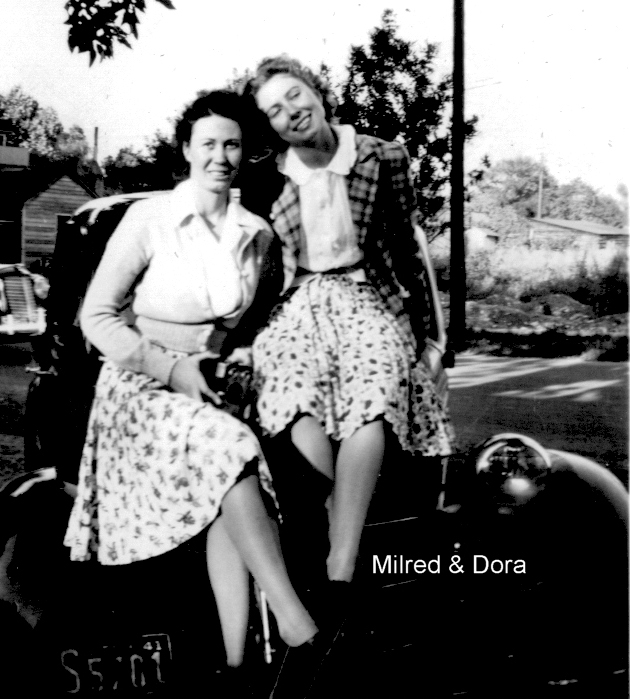
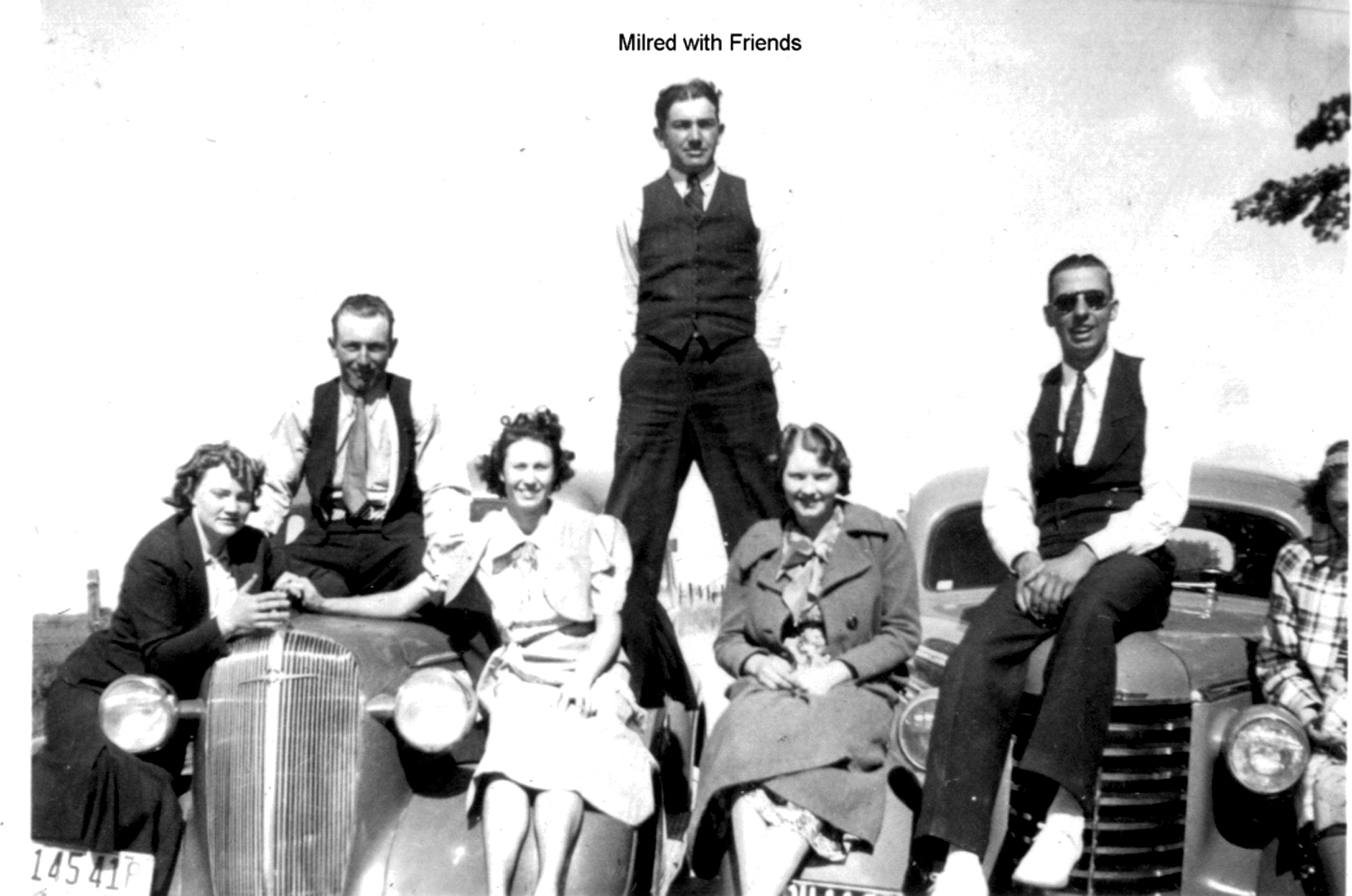
milred and dora sitting on carLearning about your ancestors can be so fun. When it comes to genealogy, you probably wonder where to begin, especially if you’re a beginner. A genealogy website that is free to the public is www.FamilySearch.org. There are no fees.
After you create a username and password, fill in the information about your parents and grandparents. Remember one thing! Only loved ones who have passed on will be visible on FamilySearch. Anyone who is still alive that you added to your family tree will not be visible to the public until that person passes on. It will only be visible to you. This is for the privacy of that person.

How do you begin? Here are the most important steps in order.

  1. Preserve Memories: Record the memories of your parents and grandparents. Talk to your relatives and find out what they can remember. Write down their trials in life, their accomplishments, and humorous experiences. Add letters they wrote to the biography. If you don’t do this, their experiences will be forgotten. Your children need to know their heritage. When you’re done, go to that person’s page and post the biography you wrote in the section labeled: Memories. You can also have it published in paperback to give to your family.
  2. Collect Photos: Scan all your family photos at a high resolution such as 300dpi. Then upload them to FamilySearch in the section labeled: Memories. When you upload them, make sure to label them, telling about who is in the photo and the date or their age. Get your children involved and have them help you with this project. The FamilySearch Center allows you to scan your photos free. There’s no charge.
  3. Collect Documents: These should be birth certificates, marriage certificates, and death certificates. You can add certificates that they earned during their lifetime such as graduation, competitions they were involved in, sports, plays they were in, etc. When you’re ready, upload them to that person’s page under “documents” in Memories.
  4. Record your family for two to four generations and all their children.

There are also free online classes at FamilySearch in the link below that can help you in your research. To see what classes are taught each day online, click on the “Class Schedule.” Classes are taught daily at 10:00 a.m., 1:00 p.m., 5:00 p.m. and 7:00 p.m.

Go to Family Search Online Classes: https://www.familysearch.org/wiki/en/St_George_Utah_FamilySearch_Center

Milred and 2 carsA

genealogy, Writing and Arts

Genealogy for Beginners

Would you like to learn about your ancestors? There is a genealogy website that is free to the public where you can learn about your heritage. It’s absolutely free. No fees at all. How do you get started?

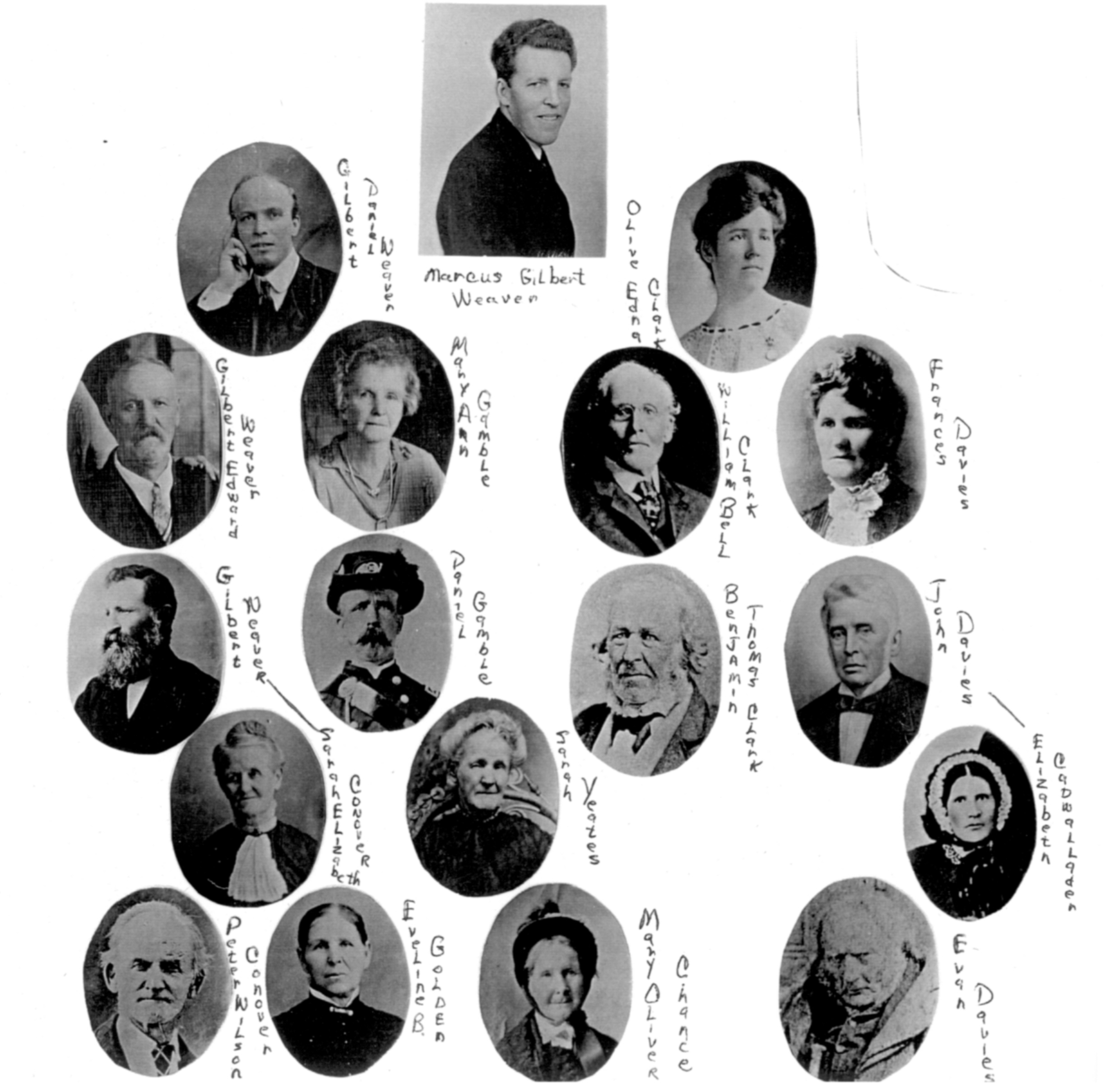
Marcus Weaver Family 01

Go to www.familysearch.org.

  1. Create a username and password and any other information about yourself.
  2. Fill in the information about your parents and grandparents next. Record your family back two to four generations and record all their children.
  3. You can upload photos, documents, stories, and audios to the pages of your parents and ancestors in the section labeled “Memories.” Preserve original photographs by scanning them and uploading them to Memories. This should be your number one priority. If you don’t record these memories, they will be lost.

Remember one thing. Due to the privacy policy, only information about deceased people will show. So if you upload a bunch of photos and stories on your own page about yourself, it won’t be visible to others until you pass on. This is the same for any of your living relatives.

Don’t get overwhelmed with too many projects! As you gradually become confident, you can set more goals such as researching your family’s history. Work on “Memories” first and make that your number one priority.

Marcus and haywagonA

What is Genealogy?

“Genealogy is the study of a family’s origins and history and is often referred to as a family history.  The first known use was in the 14th century to display a pedigree of royal, aristocratic, or clerical blood lines as a means of gaining and commanding respect.   Some family trees, like that of Confucius, have been found to list 80 generations dating back 2,500 years.

“Initially passed down by word of mouth the family genealogy was later depicted in the form of stylish paintings and documents.   It has currently gained international interest as access to more and more on-line records has resulted in significant advances in its documentation and display capabilities.   As it was in the times of an ancient king’s genealogy which showed his relationship to the gods, today’s family histories continue to be a form of storytelling to preserve the past for future generations.   In today’s climate, the more accurately one can document the past the more likely it will survive through the ages.  Today’s genealogy can take the form of simply collecting and preserving family information, all the way up to adding information to the world tree.” –FamilySearch

There are free online classes at FamilySearch:

https://www.familysearch.org/wiki/en/St_George_Utah_FamilySearch_Center

To see what classes are taught each day online, click on the “Class Schedule.” Classes are taught daily at 10:00 a.m., 1:00 p.m., 5:00 p.m. and 7:00 p.m.

Below the Class Schedule is “Join Class.” When you click on that link during a class, you can listen and join in the conversation because it will be live. The teacher can answer any questions you have. The two classes I teach each month are: Writing Your Biography and Publishing Your Biography.