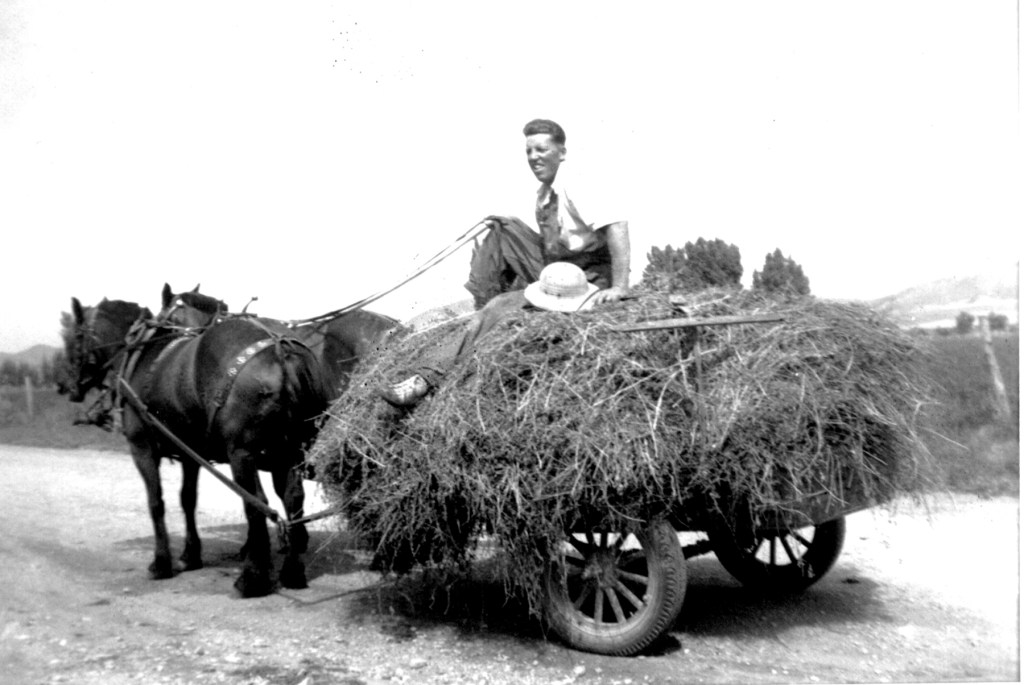

Have you considered writing a biography of your parents, grandparents, or your own life story? Whether you’re writing a story about a loved one or your own autobiography, you want to make the story intriguing for your readers. But it seems overwhelming to you. Right?
Beginning your story can be difficult. Sometimes starting with a bit of humor can grab the attention of your reader. Here is an example from my father’s biography that I wrote.
“I can make my cat eat a pickle,” said Marcus with a grin, his bright blue eyes shining with mischief.
“Eat a pickle? I bet you can’t. Prove it,” replied his friend.
Marcus related this story to me one day, of how his cat had eaten a pickle. His statement had made the exact reaction that he had wanted. What person wouldn’t be interested in seeing a cat eat a pickle?
Now I’ve got the attention of my reader. How is Marcus going to make his cat eat a pickle? Next… how do you organize your story to make it interesting? First thing to do is divide it into four sections.
1. The hook: Introduce your character. Tell some interesting things about him and what he was like… something to grab the interest of your reader.
2. Develop your Character: Invite your reader to be part of the story, by adding description. What does he look like? What were his hobbies?
3. Construct Events: You need events that lead up to the plot of the story. It sets the stage for what you’re about to tell your reader.
4. Present the Theme of the Story: The character should be faced with a decision to make or a problem to solve. This is the plot of the story.
Remember! Write your story in narrative style rather than just adding facts. Keep it interesting. Add description. Here is an example.
Marcus was asked to bury the skunks his father had shot. Before burying them, he would drain their scent into a bottle first. When he took the skunk oil to school with him to show his friends, he accidentally dropped it and it splattered all over the floor. It smelled so bad that the teacher excused school for the rest of the day. His friends considered him a hero because he had gotten everyone out of school.
Now… taking these facts, I narrated this story and added description. This is how it turned out.
When Marcus was thirteen, one day he closed down the school. It wasn’t on purpose, but his friends thought he was a hero. Marcus was asked to bury the skunks that his father had shot. Before he buried these skunks, he went to his bedroom and got his glass jar. Then he drained their scent glands and screwed on the lid nice and tight.
The following day, he took the “skunk oil” to school with him to show his classmates. Marcus was so excited as he explained what he had done. His friends were listening and a few girls were peeking over his shoulder. They had never seen “skunk oil” before. With all the excitement and attention he was receiving, he felt the bottle slip from his hands and land on the floor of the schoolroom.
The bottle broke into a million pieces and skunk oil splattered everywhere. It landed on the pant legs of his friends, the skirts of young girls standing nearby, and on his own shoes. As the oil saturated the wooden floor, the children moaned as the room filled with the most putrid, foul, disgusting, detestable odor anyone had ever breathed in.
The children instantly held their noses with their fingers and turned and ran out the door, stumbling over one another as they ran. Marcus was close behind. And so was the teacher! She excused school for the rest of the day and Marcus did not get into trouble. He figured the children were so excited to get out of school that no one told on him.
Did you feel as if you were a part of this story with the narrative style rather than just the facts? While editing your story, watch for repetition. Snip clarifying details. The reader is smart, so you don’t need to re-emphasize a point. Even though it’s said differently, it’s still repetitive. Lastly, don’t forget to add photos. Pictures help to bring a story to life.