genealogy, Writing and Arts

Is it Important to Write Your Parent’s Biography?

Since 2006, I have taught hundreds of classes across the United States, helping those in attendance to write a biography of their father, mother, grandparents or their own autobiography. Many aren’t sure how to go about it so they attend my 2-hour writing class. Some have already written their family stories but wanted to know what more they could add to the story.

While teaching at the Cholla Branch Library in Phoenix, Arizona, a woman raised her hand and said, “I’m a professor at the University and I want you to know…”

I gulped. “Wow!” I interrupted with humor in my voice. “I’m so glad you didn’t tell me that before I began teaching. I would have been very nervous.”

The audience chuckled and the woman continued, “I want you to know that I have attended many writing classes at the university, but I learned more at this two-hour workshop than any class I’ve attended. I want to thank you.”

I was so humbled by what she said. It was something I did not expect, especially from a professor. I asked my husband why she gave me such a wonderful compliment and he said, “I think it’s because you always give examples of what you’re teaching. That really helps.”

One year as I taught my class in Colorado, a gentleman told me that he was a holocaust victim in Poland and his children wanted him to write about his experiences during World War II as a child. He said he wasn’t sure how to begin and what to include. After taking my class, he was so excited to go home and begin writing.

While in California, I met a woman before class began. She said her mother left Germany just before World War II broke out, leaving her parents and nine brothers and sisters behind. Some of them joined the underground to fight against Hitler. As we talked, she said their story was too sad to write about, and she didn’t want to do it.

I knew I had to speak to her about her dilemma but class was about to begin. Hopefully I would be able to answer her question in my lecture. When I finally came to the subject of conflict, I told the audience that this was a very important subject.

I explained, “We must tell about the trials in our ancestors’ lives. If they fought in the underground during World War II, tell about it. These were brave, valiant people who fought for freedom, who fought against tyranny. They fought against the evil powers of Hitler. Your children will be proud of their efforts. Yes, the death of a loved one is sad, but the story must be told.”

The woman smiled as I gazed down at her and she nodded. She had gotten the message and understood what I was saying.

While I was teaching at the Idaho State Historical Society Library in Boise, Idaho, a lady leaned over to my daughter towards the end of class and said: “I felt as if I had handcuffs on my wrists and your mother has just unlocked them.”

As I walk into each library to teach a class, a thrill enters my soul and I know I will be teaching someone who needs my help. Sometimes when I look down into the faces of the people I’m teaching, I’ll see a tear in someone’s eyes as they realize the importance of writing their parent’s stories.

Many times I receive very kind messages from the people who attend my class. Mike Kausch, from St. Louis, Missouri, wrote: “My wife and I received so much information last night at the Kirkwood Library. I believe you have motivated me to finally start writing my family history. We thoroughly enjoyed your presentation.”

At the Stockton County Public Library in California, Mary Jo Gohlke, from Adult Programming, wrote about my class: “I was terribly impressed! She instructs for two hours; the people were genuinely attuned to what she presents. She just impressed the heck out of me. She KNOWS her subject and can present it wonderfully. As I say, she is terrific, thorough, professional, yet strikes just the right chord with her audience.”

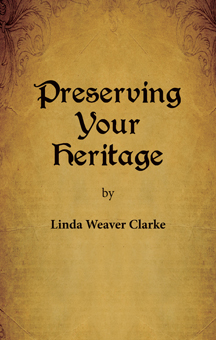
Each compliment I received throughout the years really touched my heart. I have had many people ask me to publish a book with my tips on writing a biography or autobiography as a reminder of what they learned. I have recently put one together and named it: Preserving Your Heritage. Below is a description of the book.

Preserving Your Heritage: Tips For Writing Biographies and Autobiographies—Each of us has a story from our ancestors or our own story to tell. It’s up to us to write these experiences down. In Preserving Your Heritage, you will learn the most important elements of writing. These ideas will help you to write the stories of your heritage in a way that will bring them to life. This book is available on Amazon as a paperback and ebook.

Happy Writing, everyone!

genealogy, Writing and Arts

Have You Made A New Year’s Resolution?

A New Year’s resolution can inspire you to do something you have been putting off. Have you ever considered writing your parent’s and grandparent’s biography? How about writing your own autobiography? Make it your New Year’s Resolution.

Why should you write your family history? Writing your family stories can help you appreciate your heritage. Each of us has a story from our ancestors or even our own story to tell. If these stories are unwritten, how are your children going to know their heritage or family traditions? Will these stories and traditions be lost to your children because no one put them down on paper? It’s up to you to write down these experiences so your children can be proud of their heritage.

This will be the beginning of a marvelous journey for you. You will learn things about them that you didn’t even know.

Whether you’re writing about a loved one or your own story, you might feel that it is overwhelming and aren’t sure how to begin. If you have an inspiring story to tell or intriguing incident to relate, perhaps writing each experience as a short story would be easier for you, rather than writing the stories in chronological order. Each chapter could be a short story.

How do you begin? How do you write your story to make it interesting? First thing to do is introduce your ancestor. You can begin with a humorous incident for your first chapter. That will easily grab the attention of your reader.

As you tell a hilarious incident, don’t forget to describe your relative. What does he or she look like? This way the reader can picture his grandfather in his mind.

How do you make the story interesting? The best way is putting yourself in their shoes. Adding feeling to your story is very important. If you don’t weep while telling a sad story, then write it again. If you don’t laugh during a funny incident, then rewrite it. You need to touch your own heart first before you’ll touch the hearts of your readers. How do you go about this? You must describe how your ancestor must have felt. It’s important to add feelings of joy, enthusiasm, fear, laughter, or even frustration to your story. If you’re writing your own story, tell how you felt as you tell about an incident that happened to you.

If you were scared, did your knees shake? Did your heart beat rapidly? Did you tremble? When my grandmother wrote about some experiences she had in her journal, I was impressed with how she described her emotions. This is what she wrote:

“I took to the center of the road as it was darker on the walks and I didn’t like to get too near those weird looking factory buildings and alleys on both sides of the silent streets. Presently I heard footsteps. I saw a man following me. As I hurried, he also did. My tongue became dry and fear seized me. I prayed as I ran. I not only ran but I flew. How I crossed that tiny footbridge, I never knew! But I couldn’t feel the touch of the ground under my feet as I sped onward. With my Bible clutched tightly under my arm, I had left the man, downs, and everything behind, and was soon on the lighted highway and home.”

That was a great description of fear. If you have written your own autobiography or your grandparent’s account of a fearful experience, read it again and notice if you added “emotion” to your story. This makes it hard for the reader to put down the book.

If you were frustrated about something, did your face turn red? Did you stomp your foot? Did you throw your hands in the air? How about feelings of love? Your children would absolutely love to find out how you felt about your spouse when you first met. When I asked my mother what it was like when she first met my father, this is what she told me. “When our eyes met, my heart leapt within me and a warm glow filled my soul.” I was so impressed with her description.

When I read my father’s account, this was what he wrote: “All I remember is a wonderful perfect dream that goes through my mind like a marathon night and day. I dreamed I met a girl Saturday night, a perfect girl whom I had been thinking of, who far surpassed my imagination. As we swept over the floor to the rhythm of the music I was in love with her from that moment.”

This description touched my heart. How would your children respond when they read your feelings of love toward your spouse? This is something to think about.

Remember! Emotions, feelings, moods, and describing how you felt are very important. It brings a story to life. It helps the reader to become part of the story and it will be hard to put the book down. What is the secret of grabbing your reader’s attention? You must put yourself in their shoes.

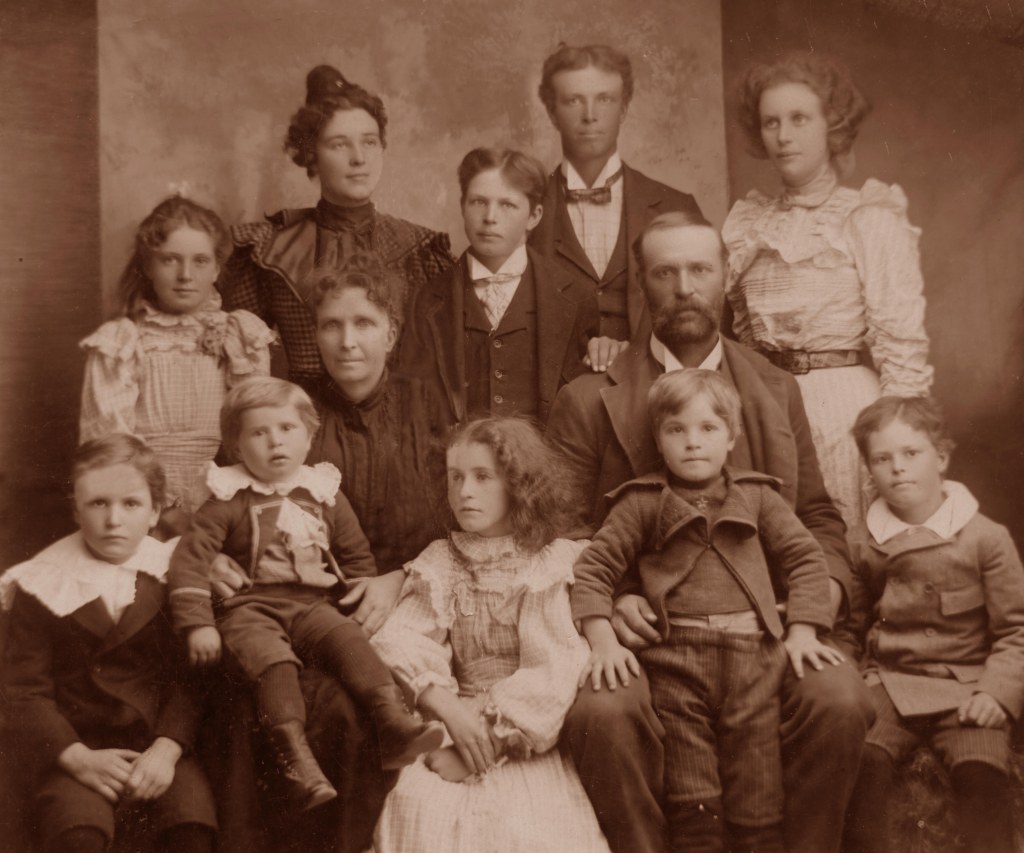
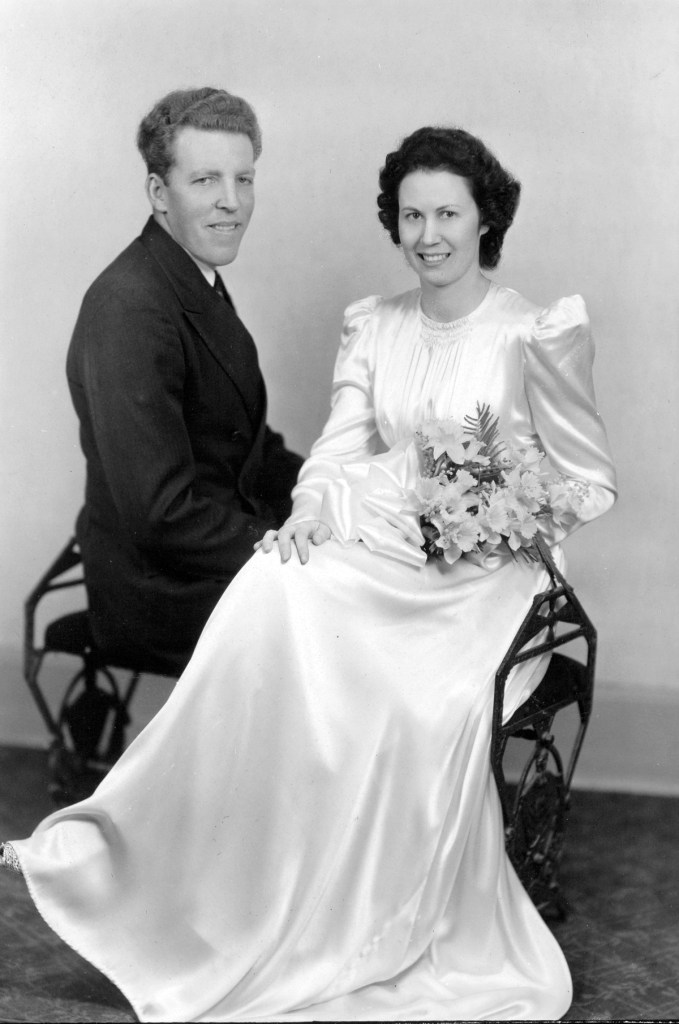
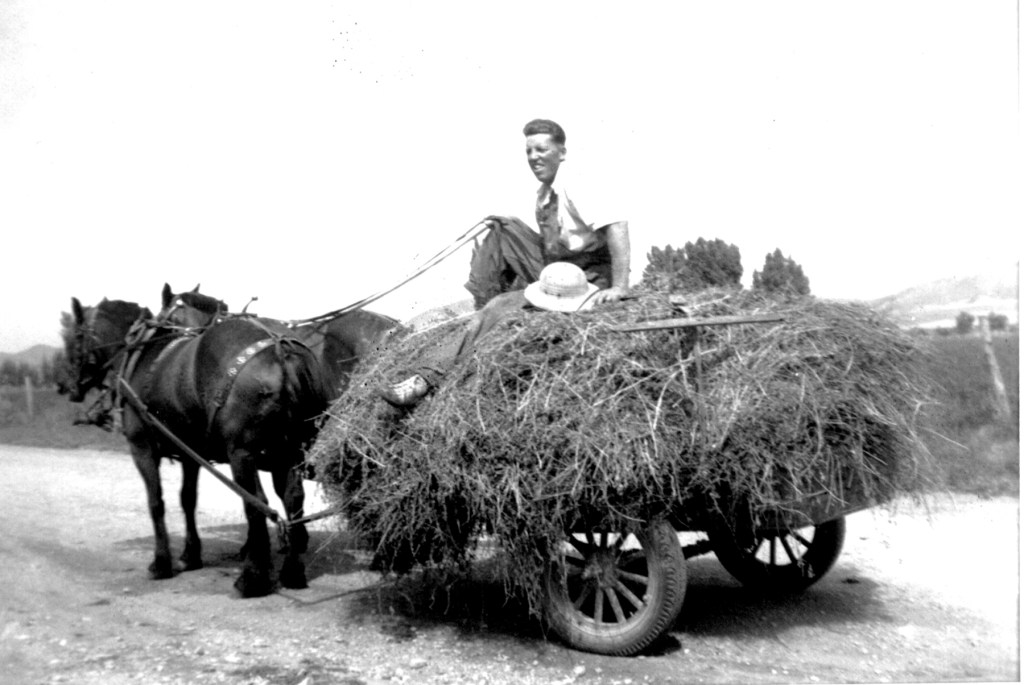
Don’t forget to add photos! They also tell a story. Remember to scan your pictures at 300 dpi for the best resolution.

There are many places to publish your book but my favorite is Kindle Direct Publishing, which is an Amazon company. You don’t have to pay anything upfront. It is absolutely free and it’s posted on Amazon. When you’re ready to buy a book, you only pay for the printing cost. For a 104-page black and white paperback, I only pay $2.15 per copy. For a 93-page color paperback, I pay $4.20 a copy. Amazon charges shipping but it’s charged by the weight of the items.

Begin today. Start writing your parent’s biography, your grandparent’s biography, and your own autobiography. Trust me. It’ll be fun.

genealogy, Writing and Arts

Writing Your Family Legacy

The importance of writing your family history can never be over emphasized. Each of us has a story from our ancestors or even our very own story to tell. If these stories are unwritten, how are your children going to know of their ancestry, of their parentage, or even family traditions of the past? Are these stories and traditions going to be lost to your children simply because you failed to put them down on paper? It’s up to us to write these experiences.

You can turn your family history into a variety of fun stories. Remember, conflict is part of life. Don’t leave out what your grandparents endured and why. You want your children to be proud of who they are. We must share these stories with them.

First, collect your thoughts. Write down any experiences that you remember. Talk to family members and discuss memories. Use letters they wrote to one another. Do research of that time period and find out what the country was going through, and insert it in the biography of your ancestor. The turmoil of a country helps you to understand what your family went through and why they suffered. Did they live during the depression? If so, how did it affect them? What the country went through has to do with the circumstances of your ancestors. If they lived during World War II, it helps your children understand why their grandparents had such tough times, why they barely made ends meet, or why they had to flee a certain country.

Find out everything you can about the area, to both educate your readers and to make the setting feel real. If possible, go to the area you want to write about and walk around. Find out where your ancestors lived, went to school, and played. If you can’t go there, do research and find pictures of that area.

The time period is another important part of research. During the roaring twenties, bobbed hair was the rage. If your grandmother bobbed her hair and went to the dance marathons, write about it. If he or she loved reading books in the evening before retiring, it would be interesting to add what kind of light he used. Little details like this warms a story up and can bring your ancestor to life. Did he use electricity, candlelight, or an oil lantern? It sounds more interesting to say, “Grandfather sat in his overstuffed chair and read for hours with an oil lantern at his side.” Rather than just saying, “Grandfather read extensively before retiring.”

For those writing your own autobiography, don’t forget the importance of description. Remember, emotion is part of life and is an essential part of your story. Use it! If you had been faced with a bear in the wild, did your face turn pale and your hands tremble? Describe your feelings when you fell in love. I asked my mother what it was like when she first met my father, and she said, “When our eyes met, my heart leapt within me and a warm glow filled my soul.”

It’s important to write your family legacy. Your children will be grateful once they’re grown. They’ll want to know their heritage, what their ancestors stood for and what they believed. Make your family legacy something your children will remember, something they will be proud of.

genealogy, Writing and Arts

The Secret of Writing a Biography

Have you considered writing a biography of your parents, grandparents, or your own life story? Whether you’re writing a story about a loved one or your own autobiography, you want to make the story intriguing for your readers. But it seems overwhelming to you. Right?

Beginning your story can be difficult. Sometimes starting with a bit of humor can grab the attention of your reader. Here is an example from my father’s biography that I wrote.

“I can make my cat eat a pickle,” said Marcus with a grin, his bright blue eyes shining with mischief.

“Eat a pickle? I bet you can’t. Prove it,” replied his friend.

Marcus related this story to me one day, of how his cat had eaten a pickle. His statement had made the exact reaction that he had wanted. What person wouldn’t be interested in seeing a cat eat a pickle?

Now I’ve got the attention of my reader. How is Marcus going to make his cat eat a pickle? Next… how do you organize your story to make it interesting? First thing to do is divide it into four sections.


1. The hook: Introduce your character. Tell some interesting things about him and what he was like… something to grab the interest of your reader.

2. Develop your Character: Invite your reader to be part of the story, by adding description. What does he look like? What were his hobbies?

3. Construct Events: You need events that lead up to the plot of the story. It sets the stage for what you’re about to tell your reader.

4. Present the Theme of the Story: The character should be faced with a decision to make or a problem to solve. This is the plot of the story.

Remember! Write your story in narrative style rather than just adding facts. Keep it interesting. Add description. Here is an example.

Marcus was asked to bury the skunks his father had shot. Before burying them, he would drain their scent into a bottle first. When he took the skunk oil to school with him to show his friends, he accidentally dropped it and it splattered all over the floor. It smelled so bad that the teacher excused school for the rest of the day. His friends considered him a hero because he had gotten everyone out of school.

Now… taking these facts, I narrated this story and added description. This is how it turned out.

When Marcus was thirteen, one day he closed down the school. It wasn’t on purpose, but his friends thought he was a hero. Marcus was asked to bury the skunks that his father had shot. Before he buried these skunks, he went to his bedroom and got his glass jar. Then he drained their scent glands and screwed on the lid nice and tight.

The following day, he took the “skunk oil” to school with him to show his classmates. Marcus was so excited as he explained what he had done. His friends were listening and a few girls were peeking over his shoulder. They had never seen “skunk oil” before. With all the excitement and attention he was receiving, he felt the bottle slip from his hands and land on the floor of the schoolroom.

The bottle broke into a million pieces and skunk oil splattered everywhere. It landed on the pant legs of his friends, the skirts of young girls standing nearby, and on his own shoes. As the oil saturated the wooden floor, the children moaned as the room filled with the most putrid, foul, disgusting, detestable odor anyone had ever breathed in. 

The children instantly held their noses with their fingers and turned and ran out the door, stumbling over one another as they ran. Marcus was close behind. And so was the teacher! She excused school for the rest of the day and Marcus did not get into trouble. He figured the children were so excited to get out of school that no one told on him.

Did you feel as if you were a part of this story with the narrative style rather than just the facts? While editing your story, watch for repetition. Snip clarifying details. The reader is smart, so you don’t need to re-emphasize a point. Even though it’s said differently, it’s still repetitive. Lastly, don’t forget to add photos. Pictures help to bring a story to life.