

The importance of writing your family history can never be over emphasized. Each of us has a story from our ancestors or even our very own story to tell. If these stories are unwritten, how are your children going to know of their ancestry, of their parentage, or even family traditions of the past? Are these stories and traditions going to be lost to your children simply because you failed to put them down on paper? It’s up to us to write these experiences.
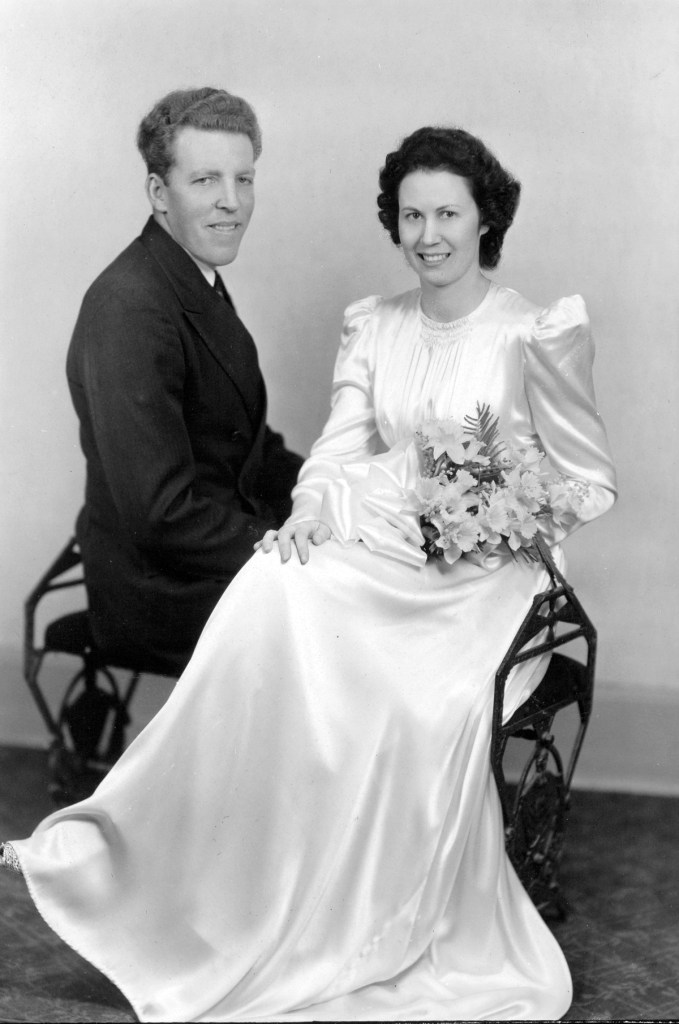
You can turn your family history into a variety of fun stories. Remember, conflict is part of life. Don’t leave out what your grandparents endured and why. You want your children to be proud of who they are. We must share these stories with them.
First, collect your thoughts. Write down any experiences that you remember. Talk to family members and discuss memories. Use letters they wrote to one another. Do research of that time period and find out what the country was going through, and insert it in the biography of your ancestor. The turmoil of a country helps you to understand what your family went through and why they suffered. Did they live during the depression? If so, how did it affect them? What the country went through has to do with the circumstances of your ancestors. If they lived during World War II, it helps your children understand why their grandparents had such tough times, why they barely made ends meet, or why they had to flee a certain country.
Find out everything you can about the area, to both educate your readers and to make the setting feel real. If possible, go to the area you want to write about and walk around. Find out where your ancestors lived, went to school, and played. If you can’t go there, do research and find pictures of that area.
The time period is another important part of research. During the roaring twenties, bobbed hair was the rage. If your grandmother bobbed her hair and went to the dance marathons, write about it. If he or she loved reading books in the evening before retiring, it would be interesting to add what kind of light he used. Little details like this warms a story up and can bring your ancestor to life. Did he use electricity, candlelight, or an oil lantern? It sounds more interesting to say, “Grandfather sat in his overstuffed chair and read for hours with an oil lantern at his side.” Rather than just saying, “Grandfather read extensively before retiring.”
For those writing your own autobiography, don’t forget the importance of description. Remember, emotion is part of life and is an essential part of your story. Use it! If you had been faced with a bear in the wild, did your face turn pale and your hands tremble? Describe your feelings when you fell in love. I asked my mother what it was like when she first met my father, and she said, “When our eyes met, my heart leapt within me and a warm glow filled my soul.”
It’s important to write your family legacy. Your children will be grateful once they’re grown. They’ll want to know their heritage, what their ancestors stood for and what they believed. Make your family legacy something your children will remember, something they will be proud of.


