Holiday Celebrations

Why We Celebrate Thanksgiving

In 1620, the people from England sailed to America for religious freedom because all English citizens were required to belong to only one church… the Church of England. Many didn’t agree with the teachings of the priests and decided to build a new life in the Netherlands and in the Americas. But not everyone was searching religious freedom. Others were only seeking a better life economically.

After arriving on the Mayflower in November, they had to build homes for shelter. Hunting for food was another problem. With the cold winter and lack of food, many became ill and half of them died. When spring came, they planted crops and built up their colony. By autumn, they had built several homes and stored plenty of food for the winter.

While building their colony, they became friends with the Pokanoket people and invited them to the first Thanksgiving in America. They celebrated with seafood, porridge, cornbread, deer, and roasted fowls.

When George Washington was President, he wanted to make Thanksgiving a national holiday, but some of the congressmen were against it. Unfortunately, the idea brought a lot of discord because many felt the hardships of just a few Pilgrims did not warrant a national holiday. But…. those who thought it was important celebrated Thanksgiving intermittently.

In 1863, President Abraham Lincoln officially proclaimed the last Thursday in November as a National Day of celebration. He said it should be a day of “thanksgiving and praise” to God. He knew the importance of this day.

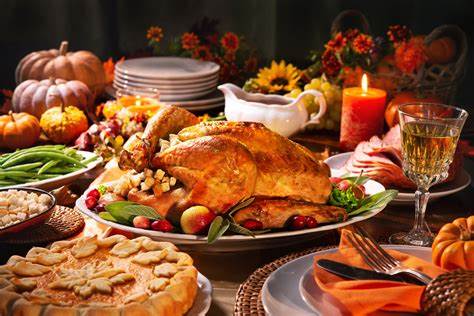
After he declared Thanksgiving as a national holiday, turkey became a popular tradition. Since William Bradford wrote about the colonists hunting wild turkeys during the autumn of 1621, it was only natural to choose a turkey. Did you know that turkeys are native only to the Americas? No other country has turkeys. That is something I didn’t know.
I found out something about Thanksgiving that I didn’t know before. In 1857, James Pierpoint composed a song especially for the celebration of Thanksgiving called One Horse Open Sleigh. The original words were:
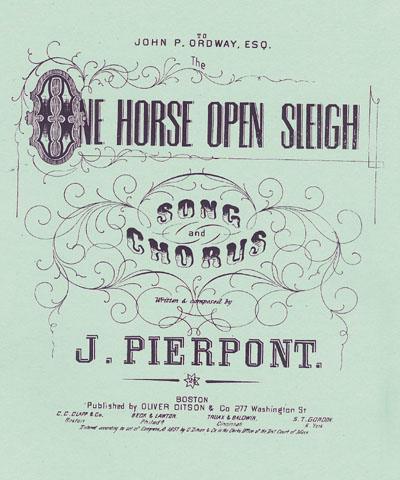
Dashing thro’ the snow, In a one horse open sleigh,
O’er the hills we go, Laughing all the way;
Bells on bobtail ring, Making spirits bright,
Oh what sport to ride and sing a sleighing song tonight.

Chorus: Jingle bells, Jingle bells, Jingle all the way;
Oh! What joy it is to ride in a one horse open sleigh.
Jingle bells, Jingle bells, Jingle all the way;
Oh! What joy it is to ride in a one horse open sleigh.

It wasn’t long until everyone started singing this song for the Christmas season, and the name was changed to Jingle Bells in 1859.

Christmas, Holiday Celebrations

Historical Holiday Facts

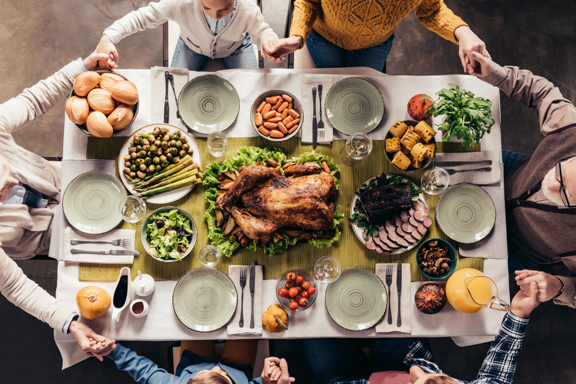
Have you ever wondered how some of our holidays came about? How about the tradition of eating a turkey, stuffing, and cranberries for Thanksgiving? Who came up with the tradition of celebrating Christmas with a tree decorated with ornaments and lights? It is very fascinating to find out.

George Washington wanted to make Thanksgiving a national holiday, but some of the congressmen were against it. Thomas Jefferson especially didn’t like the idea. Unfortunately, the idea brought a lot of discord because many felt the hardships of just a few Pilgrims did not warrant a national holiday. So Thanksgiving was only celebrated intermittently until Abraham Lincoln was president.

In 1863, Lincoln officially proclaimed the last Thursday in November as a National Holiday, saying it should be a day of “thanksgiving and praise” to God. In the past, they celebrated with seafood, porridge, cornbread, deer, and roasted fowls. After Lincoln declared Thanksgiving a national holiday, turkey became a popular tradition. Since William Bradford wrote about the colonists hunting wild turkeys during the autumn of 1621, it was only natural to choose a turkey. Did you know that turkeys are native only to the Americas?

In 1857, James Pierpoint composed a song especially for Thanksgiving called One Horse Open Sleigh. It was so popular that everyone started singing it for Christmas, and the name was changed to Jingle Bells in 1859.
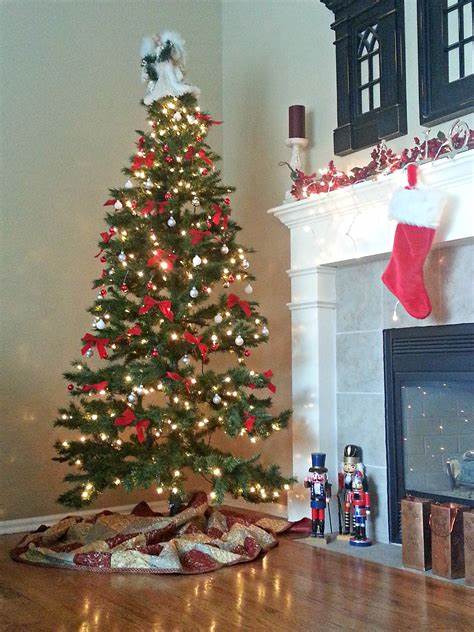
Christmas wasn’t always celebrated in America as it is today. There was a time when it was actually outlawed. The Puritans and English separatists believed celebrating the birth of Jesus Christ was disgraceful and disrespectful because the people would get drunk, gamble, and be riotous. A 16th-century clergyman, Hugh Latimer, wrote, “Men dishonor Christ more in the twelve days of Christmas than in all the twelve months besides.”

The Puritans had a great deal of influence, so celebrating Christmas became a crime and you were fined or arrested if you were found celebrating. It was banned until the 1680s. For many years afterwards, the New England Puritans continued to boycott Christmas. In 1856, Henry Wadsworth Longfellow wrote about New England: “The old Puritan feeling prevents it from being a cheerful, hearty holiday; though every year makes it more so.”

Since Americans were free to celebrate Christmas, we celebrated the birth of Jesus Christ by having a feast. We didn’t have Santa Claus, Christmas trees, and mistletoe in America. So how did we get these traditions? The Dutch brought St. Nick to America and the Germans brought the Christmas tree to America, but we didn’t incorporate it into our lives until the 1830s and 1840s.

It wasn’t until Clement Moore wrote his famous poem that Americans took notice of these traditions. It changed the way Americans thought about Christmas. Twas the Night Before Christmas introduced St. Nicholas, hanging stockings on the chimney, and flying reindeer. These were ideas we hadn’t heard of before. Hanging your stocking on the chimney caught on quickly because of Clement Moore’s poem, which was published under the name: A Visit from St. Nicholas.

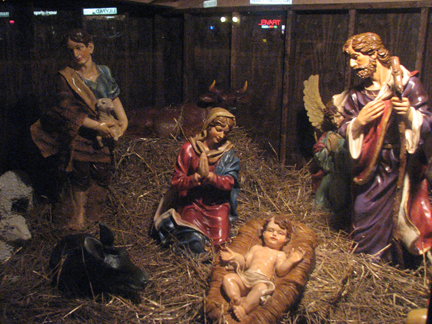
A Christmas Carol was another book that had an influence on Americans, which was written in 1843. It changed our way of celebrating Christmas, as well. Gift giving soon became popular and Christmas trees were becoming part of our celebrations. Nativities were made and placed in the living room as a reminder why we celebrate Christmas. The reading of the Bible on Christmas Eve became tradition as well. Americans began celebrating the birth of Jesus Christ with these new traditions, which brought much joy to the family.

In 1870, President Grant declared Christmas a national holiday.

Nativity