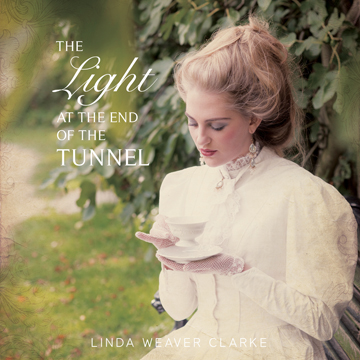
The Light at the End of the Tunnel is a common statement but it means much more than anyone can imagine. I am the author of a historical romance called The Light at the End of the Tunnel. When asked about this novella, I replied, “Everyone has challenges in their lives. Many wonder if they are the only ones who are experiencing difficulties. Some people feel that each trial they have endured was so challenging that they wondered where the light at the end of the tunnel was. But they are not alone. Others have walked the same path and these trials have made them stronger in many ways.”
As an author, I wrote a historical romance based on this subject, using the inspiration of my great grandmother. Hannah and her husband came to America in the mid-1800s, wanting a better life. On the ship from England, Hannah’s one-year-old daughter became very ill, which resulted in deafness. Two years later, her husband was murdered on the streets of St. Louis, Missouri. Having never worked outside her home before, Hannah took a job as a maid at a hotel in St. Louis, hoping to earn enough money to move on. Finding out about her plight, her family volunteered to pay her passage back to England but she chose to stay instead. She didn’t have it easy but was courageous and determined to make a better life.
“No matter our circumstances, no matter our challenges or trials, there is something in each day to embrace and cherish. There is something in each day that can bring gratitude and joy if only we will see and appreciate it.” ~ Dieter F. Uchtdorf
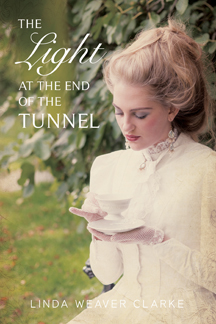
This was Hannah’s attitude as she tried to search for the “light at the end of the tunnel.” In The Light at the End of the Tunnel, Hannah is a young single mother who has had some hardships since arriving in America, along with raising her little girl who is deaf. But her trials only make her stronger. Wanting to be independent, she opens a hot chocolate shop. At first, it’s a struggle. But she will not give up.
Book Reviewer and Author Gail Pallotta wrote: “This romance wrapped around my heart as it took me into the struggles of Hannah, such a brave woman. The characters come to life on the page as Thomas falls for Hannah. However, Hannah is caught up in her day-to-day trials, and with her independent streak she only thinks of making a life for her and her daughter. Can Thomas get her attention and change her mind?”
BreAnne Okoren narrated this historical romance for Audible audiobooks and it has received wonderful reviews. I am so amazed with BreAnne’s talent because she makes the characters feel real. She speaks with a Scottish and English accent without effort. When there was a humorous incident, the laughter in her voice makes the scene come alive. The emotion BreAnne gives to each character is genuine and you can feel how the character feels. I couldn’t have chosen a better narrator who understands my characters.
Author Regina Andrews wrote: “From the opening scene on a steamboat on the Mississippi River to the beautiful concluding paragraph, filled with gratitude and happiness, author Linda Weaver Clarke takes the reader on a journey that will touch the imagination and warm the heart. This is an incredibly engrossing sweet historical romance.”
This audiobook is available on Amazon and Audible. Listen to this incredible narration by BreAnne on youtube and you’ll be amazed, also.
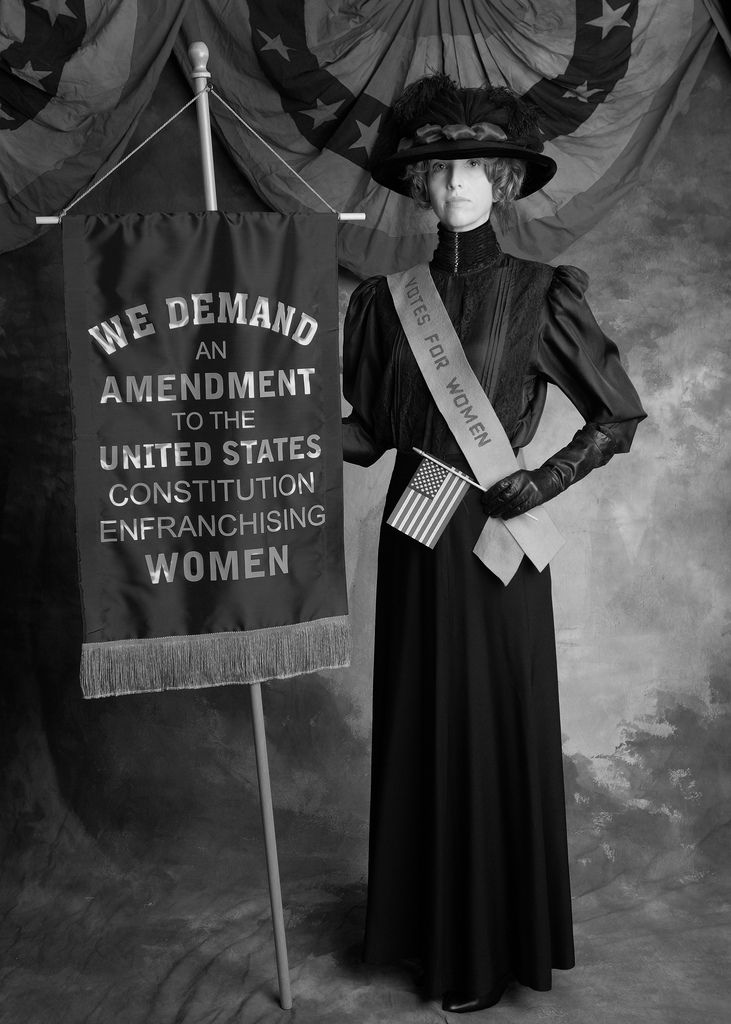
Amidst the hardships of inequality, there were many courageous women who fought against injustice during the 1840s. These women made a difference in the world. They spoke up and let their opinions be known. They would not be held back but took a stand for equal rights. Many wanted to vote, have a higher education, and fought against involuntary servitude. They were considered “women of courage.”
When several women took a stand, their actions were looked down upon. Speaking publicly was considered improper for a woman, by the standards of the day. In a pastoral letter from the 1800s, the Council of Congregationalist Ministers of Massachusetts said a woman who speaks publicly was “unwomanly and unchristian” and it would “threaten the female character with widespread and permanent injury.”
Even though it wasn’t proper, many still gave their opinions. Elizabeth Stanton and Susan B. Anthony adamantly spoke against prejudice, inequality, and slavery. They encouraged women to get an education and stand up for their rights. But they were not alone. There were many others who expressed their views. These courageous women were an important part of history and made a difference.
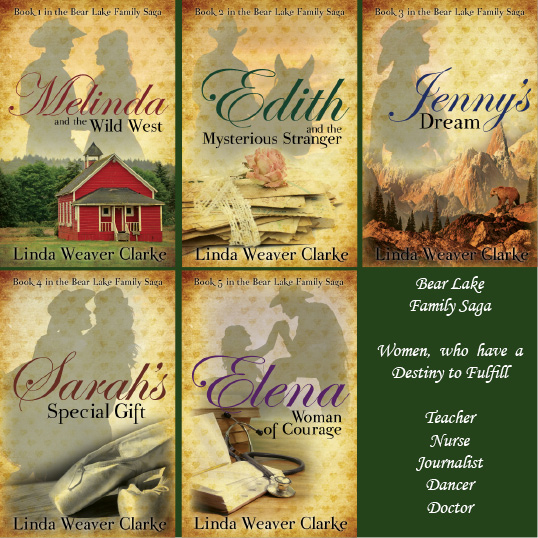
Did you know that the first four states to give women the right to vote were Wyoming, Colorado, Utah, and Idaho? These states encouraged women to participate in politics and run for office. They were independent and courageous women. With this in mind, I sat down and wrote three novellas that are part of a series called “Women of Courage.” Each one was inspired from the experiences of my great grandmothers.
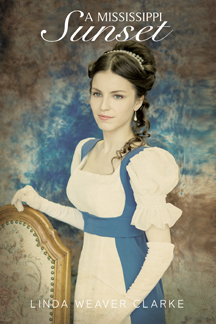
A Mississippi Sunset is a historical romance. Laura McBride is a liberated and courageous young lady who is convinced that she can help others in her crusade for equality. She encourages women to fight for their beliefs and be heard. But she soon finds out that women who speak publicly are looked down upon. But that wasn’t how Deputy William Davies felt. When he met Laura McBride, he was intrigued with her independent nature. He admired her spunk and determination to fight against slavery and involuntary servitude.
Sunnie Reviews wrote: “I really enjoyed this sweet and clean historical fiction and romance. A Mississippi Sunset is part of a series of brave women who were not afraid to take a stand in what they believe needed to be changed and you will see some historical figures that appear in this book! Loved that. This is a very enjoyable book and it is well worth a read!”
Laura isn’t the only one who shows her independence. In The Light at the end of the Tunnel,Hannah is a young single mother who has had some hardships since arriving in America. But the trials in her life only make her stronger. Hannah realizes she can make something of her life by opening a hot chocolate shop. She soon finds that starting her own business isn’t as easy as she thought. But she will not give up. When Thomas learns that she has spirit, he is intrigued.
“This romance wrapped around my heart as it took me into the struggles of Hannah, such a brave woman, and her little girl, who’s also brave. The characters come to life on the page as Thomas falls for Hannah and adores her child. However, Hannah is caught up in her day-to-day trials and with her independent streak, she only thinks of making a life for her and her daughter. Can Thomas get her attention and change her mind?” –Gail Pallotta, Author
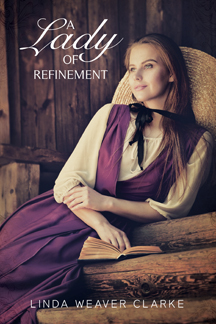
Serenity also has some spunk. In A Lady of Refinement, Serenity discovers thieves stealing her precious grapes. Dawning her brother’s cavalry uniform and grabbing his sword in hand, she brandishes it in the air and calls out: “Leave or Perish!” Seeing the gleaming sword, the thieves take off running. Seeing this scene from a distance, Jonathan is surprised because Serenity is a refined lady from Wales. When Serenity’s brother gives him some advice how to win her heart, Jonathan begins to question his wisdom. Should he trust his friend or is he leading him astray?
Reviewer Louise Pledge wrote: “How I enjoy finding a book that will not let me put it down until I’m done! This was the case with A Lady of Refinement. Linda Weaver Clarke used a true story of her ancestor’s as a base, and it rang familiar to me, as my ancestors also migrated to America from England during the same time period. The main character, Serenity, is the refined lady, and it was such a delight when she bested a few arrogant males. My favorite character, however, was Jonathan, who was very taken with Serenity. Time will tell if he is successful at capturing her attention.”
Lady of Refinementis available on Audible narrated by BreAnne Okoren. Stop by and listen to a sample.
Why are pirates and outlaws an intriguing subject in stories? What grabs everyone’s attention about these people? Whether the person is a pirate upon the sea or a river pirate roaming the Mississippi River… whether he’s an outlaw robbing a bank or a highwayman robbing a stagecoach, he is robbing and plundering. I have a question. What if a civic leader, a respected man in the community, decided to become an outlaw or river pirate? Would he have the same appeal? Or is this different? Very interesting question to think about!
I love adding true events that are part of history to historical fiction. Not only does it make the setting feel real, but it’s also fun to learn historical facts. I have a few more questions to ask.
Can an outlaw, highwayman, or pirate change his lifestyle and become an upright citizen? Do you believe a person can change, repent from his lawless ways and make amends? Matt Warner was an infamous outlaw who joined Butch Cassidy’s gang. He was a bank robber, cattle rustler, and bootlegger. But as time passed, Warner decided to change his life and settle down. He was elected deputy sheriff and later on as a county judge. In fact, knowing he was a former outlaw helped him gain votes. He was noted for being a great lawman because he knew the mindset of the outlaws. I wonder what happened in his life to make him change and become a law-abiding citizen in the community?
Is it possible that an upright citizen can secretly be a pirate, outlaw, or highwayman? Why would a distinguished and upstanding citizen want to rob others? Was it because of the adventure or the money? Or both? What was his motivation? If he were caught, the community would be shocked. I actually found that some civic leaders and merchants led a double life as a River Pirate, which their family knew nothing about. There was a justice of the peace in Kentucky who was a Highwayman and River Pirate. He and his fellow pirates would hijack a flatboat full of valuable cargo along the Mississippi and Ohio Rivers and meet at the Cave-In-Rock hideout along the Mississippi River to distribute the goods. (Taken from Angel’s Serenade: A Willow Valley Historical Romance)
Civic leaders weren’t the only people who chose to be outlaws. I learned that a governor and a president of the United States acted like outlaws, even though they weren’t considered as one. They stole people’s property without any remorse.
Did you know thousands of people were forced off their land by the government in 1839? Have you heard of The Trail of Tears? I wept as I learned what had happened to the Native Americans. The Indian Removal Act signed by Andrew Jackson gave the government the right to remove the Native Americans from their own land because it just happened to be in the “Cotton Kingdom.” When Van Buren became president, he put the Removal Act into effect. It was heartbreaking to learn what he had done to the Cherokee Nation. Even though Van Buren paid them five million dollars for their property and agreed to relocate them, the Cherokee didn’t want to leave their homeland. During the freezing winter, they were forced to leave. Sadly, young children and the elderly became very ill and died from exposure along the trek. It ended March of 1839.
Did you know another group of people were forced off their land because of their views about slavery? Jackson and Van Buren weren’t the only ones who pushed thousands of people off their landin 1839. Governor Boggs did the same thing.
The members of The Church of Jesus Christ of Latter Day Saints did not believe in slavery and let their views be known. The slave owners were afraid of an uprising from their servants and saw the members as a threat to their way of life. So Governor Boggs gave the order to kick them out of Missouri or be exterminated. He sent the militia to drive them off their land and imprison their church leaders.
During February and March of 1839, these Christians made their way across the prairie to Illinois as refugees through knee-deep snow. Many only had the clothes on their backs because the militia had stolen their belongings. Some wrapped rags around their feet to keep them warm. When they arrived in Illinois, the kind citizens allowed the refugees to live in their homes and barns until they could get back on their feet.
What came out of this research? Angel’s Serenade is a historical mystery romance. By adding some true facts to this story, you will discover the leader of the River Pirates who has been eluding the law for several years. You may be surprised! But that’s not all. What secret is the man running for Mayor hiding? Lucas and Emmeline are intrigued by their neighbor’s mysterious behavior. Is he friend or foe? Should they stop him from winning the votes or encourage him?
In A Pleasant Rivalry, Angelica Davis is a journalist and writes controversial articles for the Chronicle. When she writes about the removal of the Native Americans from their land, Angelica is appalled by Van Buren’s decision. To her, he is a cruel man. But that’s not all she writes about. When she discovers what Governor Boggs did to the Christians in Missouri, Angelica tells the public what is going on, getting her information first hand from someone who was kicked off her land. Her sister! Thank goodness the kind Illinois citizens took pity on the refugees and helped them find places to live. But that’s not all she writes about. Who is the notorious jewel thief and who is the arsonist wreaking havoc in Willow Valley?
Research is so interesting and intriguing. It’s fun learning the details of something I’ve heard about for years but didn’t know all the facts or details. While writing a historical fiction series, I put some amazing incidents from history in each of my stories.
I found that Butch Cassidy robbed the bank in Montpelier, Idahoin 1896, the same place and time period that one of my stories was set. Butch Cassidy referred to himself as the Robin Hood of the West. He wrote: “The best way to hurt them is through their pocket book. They will holler louder than if you cut off both legs. I steal their money just to hear them holler. Then I pass it out among those who really need it.” Cassidy never acted without a well staked-out plan. That was why he never got caught. Did you know that Montpelier puts on a reenactment of the robbery for the public every year? (Taken from Melinda and the Wild West: A Bear Lake Family Saga)
In one of my stories, the heroine is a nurse. I wanted her experiences to be authentic so I took an experience from my great grandmother from the late 1800s. Frances Davies saved a man’s life who had been gored by a bull. Since the doctor was out of town, her neighbor went to her for help. Every detail was recorded in her biography and I was amazed at her courage. Finding that his abdomen was torn open, she washed away the blood, cleansed the wound, and relocated the man’s protruding intestines. Then she soaked a violin gut string in hot water to soften it. After sewing him up with the violin string, Frances fixed a liniment of arnica burrs steeped in alcohol and applied some sterilized cloths to his wound, which was saturated with the liniment. The man lived for over 20 years after his accident. I knew that my heroine had to have this experience as a young nurse in my story. (Taken from Edith and the Mysterious Stranger: A Bear Lake Family Saga)
In the history of Cache Valley, there have been many bears that roam the Rocky Mountains, but none so famous as Old Ephraim. He roamed the mountains from Soda Springs, Idaho to the Logan Utah Canyon from 1911 to 1923. They called him Old Ephraim or Old Three Toes since he only had three toes on one foot. He measured at exactly nine feet and eleven inches tall, and weighed 1100 pounds. The evidence of the strength and power of this grizzly bear was frightening. At one point, he bit a thirteen-foot log, twelve inches in diameter, into eleven lengths as though they had been chopped. He also bit off a six-inch aspen limb in just one bite, which was nine feet and eleven inches above the ground. Many of the sheepherders refused to stay on the job for fear he would appear. They set trap after trap at all his lairs and wallows. But it was all in vain. Many times his tracks were all around the trap as if avoiding it. Other times the bear trap was flung many yards away. He was the smartest grizzly anyone had ever encountered. (Taken from Jenny’s Dream: A Bear Lake Family Saga)
Scotland has the Loch Ness Monster and Bear Lake Valley has one just as formidable. Bear Lake is a natural freshwater lake on the Idaho-Utah border. The mystery of the Bear Lake Monster has been an exciting part of Bear Lake history since 1863 and beyond. Many people claimed to have seen the monster and gave descriptions of it. One summer day in 1868, S. M. Johnson was riding his horse alongside the shoreline when he saw an object floating in the water. At first glance, it looked like a man’s body. He was shocked and thought someone had drowned so he trotted his horse closer. He was shocked when the large brown lump opened a gigantic mouth and blew water toward him. All the reports have the same description. The monster’s eyes were flaming red and its ears stuck out from the sides of its skinny head. Its body was long, resembling a gigantic alligator, and it could swim faster than a galloping horse. It had small legs and a huge mouth.
Throughout the years, no one has ever disproved the Bear Lake Monster. A bunch of scientists figured it was a gigantic codfish that was shipped in from the East. Is the monster fact or legend? It was such fun to add the accounts of those who claimed to have seen it in my story. (Taken from Sarah’s Special Gift: A Bear Lake Family Saga)
Did you know there was a woman who got her medical degree in the 1800s? Elizabeth Blackwell was the first woman to graduate with a doctor’s degree in 1849. It was a miracle that she was accepted into college. Why? Women were not allowed to attend a medical university. So how did Elizabeth get in? She hounded them until the faculty gave in and admitted her as a joke. They figured she would fail miserably. But she fooled the professors and graduated at the top of her class. After her graduation, she found that no hospital would hire her because she was a woman. But this did not stop her. Elizabeth organized her own clinic in New York and helped many people. She also opened a medical college for women where they could have the opportunity to get an education. By 1899, women were finally allowed to attend a medical university.
Realizing this was a perfect subject for my next book, I set my story during the 1920s, a time of independent women who fought for what they got. (Taken from Elena Woman of Courage: A Bear Lake Family Saga)
Dreams can come true, no matter what age you are. Dreams are a part of life and they come straight from the heart. Mack David (1912 – 1993) wrote: “A dream is a wish your heart makes.”
In fact, dreams eventually become our goals. If you work hard enough, you can accomplish anything you put your mind to. It’s all a state of mind. If you believe in yourself, then nothing else matters. You have to first decide if it’s worth it and then put your whole heart and soul into it.
Remember: if you don’t do your best, a job that’s half done isn’t worth the effort. It’s all up to you to make a difference in the world, whether it is large or small. Perhaps your contribution won’t be as dramatic as Alexander Graham Bell and his invention of the telephone, but still, your contribution to society is important. It’s up to you how hard you must work for your dream. Edgar A. Guest said it best in his poem:
You are the one who has to decide
Whether you’ll do it or toss it aside.
You are the one who makes up your mind
Whether you’ll lead or linger behind.
Kindly or selfish, gentle or strong,
Keeping the right or taking the wrong.
Careless of honor or guarding your pride,
All these are things you must decide.
~ Edgar A. Guest (1881 – 1959)
Dreams can come true. It’s up to you. A few years ago, I decided it was about time to finish something I had begun when I was young. I decided to go back to college and get a degree. It was one of the most difficult challenges I had ever come upon. Here I was, forty-eight years old, and I was going back to college.
On the first day of school, I had butterflies in my stomach, I was feeling nausea from the stress, and I was wondering if I had made the right decision in my life. Was I crazy to take upon myself this feat at my age? My memory wasn’t at all like it used to be. And what were scantrons, for heaven’s sake? Computers? Oh heaven, forbid! I didn’t know one thing about computers, but to graduate I had to take a computer class.
This decision was becoming bigger than I realized. I was feeling overwhelmed. Then I realized that I wasn’t alone. My family supported my decision. In fact, my daughter, Diana, was going to college at the same time and encouraged me. She even asked me to take a class with her. I knew she could help me. So I said to myself, “I can do this. If I need help, I’ll just ask Diana.”
After getting through the first month, I realized it wasn’t so bad after all. The only thing I struggled with was algebra and studying for tests. I just took one day at a time, knowing that I had committed myself to this task of getting a degree. I trekked across campus as fast as I could, trying to get to class on time. The young college students were sweet and let me know they were happy to have me in class, making me feel accepted. Soon, I realized that everything was going to be okay after all.
After four long years, I received my Bachelor of Arts degree and the Outstanding Non-Traditional Student Award for the College of Performing Arts in 2002. All six of my children were at my graduation and watched me walk to get my diploma. I had tears in my eyes…and so did they. I had accomplished something that I thought I was too old to do.
A few years later I became an author. All of this happened because I believed in myself, because I worked hard, because I had a dream. I knew that if I didn’t believe in myself, then no one else would. Yes, dreams can come true if you work hard and never give up.
Each of us has something to contribute to in this world and hopefully uplift others. We can do this by educating and improving ourselves.
James E. Faust said, “The Lord has a great work for each of us to do. You may wonder how this can be. You may feel that there is nothing special or superior about you or your ability… The Lord can do remarkable miracles with a person of ordinary ability who is humble, faithful, and diligent in serving the Lord and seeks to improve himself.” (James E. Faust, “On the Edge”, New Era, Feb. 1997, p. 4)
What is the secret of success? You have to believe in yourself. Have faith in your dreams and they’ll come true. That’s the secret!
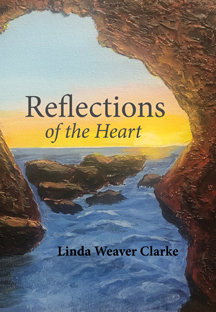
Reflections of the Heart has inspirational advice for all ages. You will learn the secret of happiness and how to deal with the trials in your life. Does music really soothe the soul and help you when you’re frustrated? Does it matter what kind of music you listen to? Is laughter really the best medicine? If so, how does it make a difference in your life? How important is it to develop your spirituality? Equal partners in marriage is a subject that can help a marriage grow stronger. These are the subjects discussed in this book.
The secret of happiness is a great mystery to many people, constantly searching for joy in everyday life. Do we believe the grass is greener on the other side of the hill? I’ve heard people say: When I finally graduate from college, then my life will be better and I’ll be happier. I’ll truly be happy when I get a better job. As soon as my new home is built, I know I’ll be more content. I know I’ll be happier if I move and have new experiences.
When we’re feeling discontent, we tend to think a change in our lives is the answer to happiness. But after landing that new job or moving into a new home, are we truly happy? That may not be the answer we hoped for. We need to make our own happiness and enjoy what we have.
Does “love” have anything to do with joy? Victor Hugo (1802 – 1885) seems to think so. He said, “The supreme happiness of life is the conviction that we are loved; loved for ourselves, or rather, loved in spite of ourselves.”
Our lifestyle can also be a factor, whether we’re content or miserable. If we live a good and righteous life, chances are that our lives will be happier and we’ll feel more satisfaction.
What is the secret of happiness? Rabindranath Tagore (1861 – 1941) wrote, “I slept and dreamt that life was joy. I awoke and saw that life was duty. I acted, and behold—Duty was joy.”
Royden G. Derrick said it differently: “Happiness is a by-product of helping others. No man ever finds happiness by thinking of himself. True happiness comes when we lose ourselves in the service of others—when we are merciful to our fellowmen.” (Royden G. Derrick, “The Beatitudes and Our Perfection”, Ensign, May 1977, 57)
Is joy all about duty? Are we happier when we help others? “To find real happiness,” said Thomas S. Monson. “We must seek for it in a focus outside ourselves. No one has learned the meaning of living until he has surrendered his ego to the service of his fellowmen. Service to others is akin to duty, the fulfillment of which brings true joy.” (Thomas S. Monson, “The Joy of Service,” New Era, Oct. 2009, p. 4)
Is true joy thinking of others and their happiness? How about a simple and sincere smile or greeting? I’ve noticed it’s quite effective. I suspect it’s because friendliness uplifts us, makes us feel warm inside. When someone goes out of his way to greet us, it feels good. Smiles are contagious. They tend to spread from person to person. If you smile at a baby, he automatically smiles back. Did you know that a frown uses eighty-seven muscles? To smile, we use thirteen muscles. With those thirteen muscles we can uplift others.
The secret of happiness has puzzled many people. Whether joy can be found in righteous living, a belief that we are loved, or a by-product of serving others, you can’t deny the fact that a simple smile or greeting can make a difference in our lives. Perhaps one of the secrets of happiness is smiling.
Remember: “Those who bring sunshine into the life of others cannot keep it from themselves.” ~ James Matthew Barrie (1860 – 1937)
David O. McKay (1873 – 1970) said: “Seek to share joy with others, or to make somebody else happy, and you will find your own soul radiant with the joy you wished for another.”
Man’s search for happiness is part of life. We not only want it but we have an inner need to spread joy to others. I notice that when I tell a funny story and make someone laugh, I wish I could tell another one. Laughter and smiles are contagious and spread from person to person.
I’ve always heard that laughter is the best medicine. Is it really true? The Reader’s Digest wrote, “Scientific evidence has shown that laughter helps people breathe easier and it massages the heart and other vital organs.” (The Healing Power of Laughter, Reader’s Digest, 2010)
Some scientists believe that it can even guard against illness. If this is true, then laughter is definitely the best medicine. The Reader’s Digest went on to say, “In experiments, students who watched funny movies were found to have an increased flow of infection-fighting proteins in their saliva.”
Isn’t this amazing? Scientists have found that positive thinking is the secret. They did some research and found that optimistic people have less health problems and live longer compared to pessimistic people.
Kersten Campbell, author of Confessions of a Completely InSane Mother, told me when I interviewed her, “It has always been my belief that we, as women, need to laugh more. Mothers experience some of the most stressful working conditions on the planet, and stress can be dangerous to women’s overall health and longevity. Humor can reduce stress.”
The secret to happiness has puzzled many people. Perhaps the real secret of happiness is a bit of laughter. Think about it. Isn’t that the time that you feel on top of the world…when someone is making you laugh? So is laughter the best medicine after all? I believe it is!
Reflections of the Heart has inspirational advice for all ages. You will learn the secret of happiness and how to deal with the trials in your life. Does music really soothe the soul and help you when you’re frustrated? Does it matter what kind of music you listen to? Is laughter really the best medicine? If so, how does it make a difference in your life? How important is it to develop your spirituality? Equal partners in marriage is a subject that can help a marriage grow stronger. These are the subjects discussed in this book.
The women of the past were brave and spirited ladies who knew what they wanted in life and wanted to make a difference. In the late 1700s, Abigail Adams, the wife of John Adams, was the first woman to stand up for women’s rights but America wasn’t ready for equality at that time.
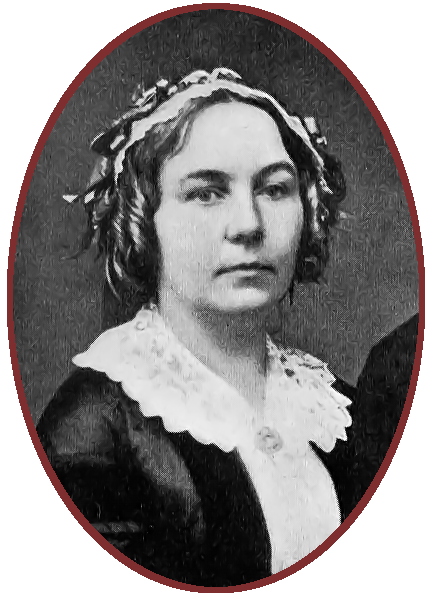
Elizabeth Stanton
There were many who spoke out on women’s rights. Elizabeth Stanton was one of them. She stood up and said that women should have the right to vote and receive equal education. She also was an abolitionist and fought adamantly against slavery, prejudice, and inequality but it was not readily accepted.
When she gave lectures on the subject, it was frowned upon. A pastoral letter from a minister in Massachusetts said a woman who speaks publicly is “unwomanly and unchristian.” The pastor also mentioned that it would “threaten the female character with widespread and permanent injury.” Was this how the men really felt back then? Why were women being held back? Even though it was not proper, women still gave their opinions.
Susan B. Anthony was another. When she defied the laws and voted illegally on November 5, 1872 in a presidential election, she was arrested and fined $100. But she refused to pay it. She said, “Resistance to tyranny is obedience to God.”
These courageous women made a difference in history. They fought for equal education and wanted the right to vote. Did you know the first four states to give women the right to vote were Wyoming, Colorado, Utah, and Idaho? It did not take long until women began running for office in each of these states.
Photo was colorized
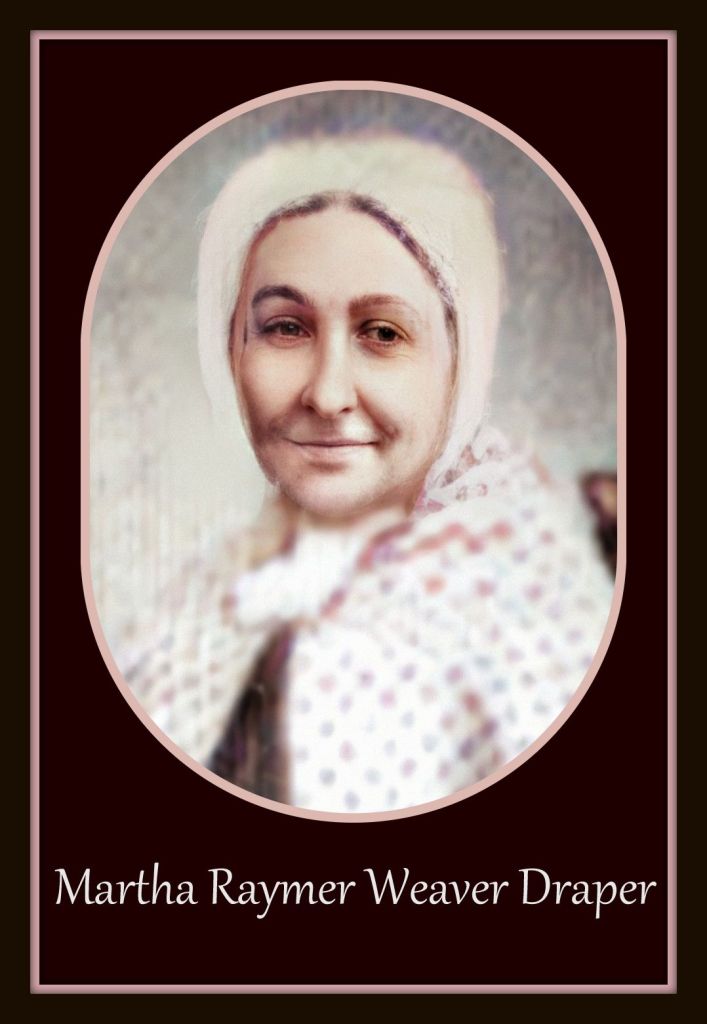
Do you have some courageous ancestors that were an influence on you? I had a great grandmother who stood up for her rights and would not allow anyone to intimidate her. She was told by a group of men that if she denounced her religion then they would not burn down her home. The leader of the mob was a large burly man and she had every right to be frightened. But Martha would not give in to fear. She was a devout Christian and would not deny her Faith. With strength and courage, she stomped her foot and said: “You may burn it and be damned.”
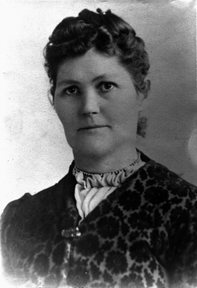
Frances Davies
I had another great grandmother who was an influence on my life. When she saw some thieves stealing her grapes, she knew they would not be afraid of her if she tried to chase them off. An idea came to her. Frances put on her husband’s cavalry uniform, tucked her hair inside his hat, and grasped his sword from its scabbard. Bravely marching outside onto the porch, she brandished the weapon in a threatening manner and demanded in a loud voice “Leave or perish!” I’m sure she smiled inside when she saw them take off like scared rabbits.
It touched my heart when I read about another great grandmother’s experience, which was written by her daughter. Her courage and difficulties touched my heart.
Hannah and her husband came here to America in the mid-1800s for a better life. On the ship from England, Hannah’s one-year-old daughter became very ill, which resulted in deafness. One year after arriving in America, Hannah gave birth to a baby boy but she was not meant to have him long. He died six weeks later. A year later, the sheriff came to her door and announced that her husband had been murdered on the streets of St. Louis, Missouri. Realizing she had to make a living for her children, Hannah took a job as a maid at the largest hotel in St. Louis, hoping to earn enough money to move on.
What a courageous woman! Would I have been that brave if I were Hannah? Would I have turned around and headed back to my family in England? Her family volunteered to pay her passage if she returned. But she chose to stay instead.
“No matter our circumstances, no matter our challenges or trials, there is something in each day to embrace and cherish. There is something in each day that can bring gratitude and joy if only we will see and appreciate it.” ~ Dieter F. Uchtdorf
This was Hannah’s attitude as she tried to search for the “light at the end of the tunnel.” How many times do we search for that light, wondering where it is and hoping that our trials will soon end? Is God watching over us? Is He there when we need some comfort? In our darkest moment, does He know how we feel? I believe He does.
Five years later, Hannah earned enough money to board a riverboat and head northward, far away from St. Louis. That was when she met a wonderful man who fell in love with her. My great grandmothers were an example to me. If I were in their shoes, I wonder if I would have had that much courage. After reading their biographies, I took their stories and created a series of novellas called Women of Courage. Hannah was the inspiration for the first novella. Using her experiences, I created a historical romance called The Light at the End of the Tunnel.
In The Light at the End of the Tunnel, Hannah is a young single mother who has had some hardships since arriving in America. But the trials in her life only make her stronger. Wanting to be independent, she opens a hot chocolate shop. At first, it’s a struggle. But she will not give up.
In A Lady of Refinement, Serenity is an educated young woman from Wales. After arriving in America, she decides to teach adults how to read and write. She is determined to help the citizens learn the enjoyment of reading. One of her favorite books is Ivanhoe by Sir Walter Scott. No one seems to measure up to this valiant knight until Jonathan comes along.
In A Mississippi Sunset, Laura gives lectures regularly, encouraging women to fight for their beliefs and be heard. Equality is her message. But she soon finds out that women who speak publicly are looked down upon and criticized, saying it is unwomanly and unchristian to speak publicly. But she has faith in God and knows He will help her in the cause for justice.
The Light at the end of the Tunnel:When Thomas finds out that Hannah’s shop is struggling, he comes to the rescue with a clever plan. Will she agree to such an unconventional idea? Can he convince her to find room in her heart for one more person?
A Lady of Refinement: When Jonathan meets Serenity, an educated and courageous woman from Wales, he becomes intrigued with her and wonders how he can win her heart. Her brother gives him some advice, but Jonathan begins to question his wisdom. Should he trust his friend or is he leading him astray?
A Mississippi Sunset:When Deputy Davies meets Laura, he is intrigued with her independent nature. He admires her spunk and wonders if such a woman would be interested in a small town deputy like himself.
First thing to do before publishing your book is to edit your story a few times to make sure there are no mistakes or spelling errors. As you edit your story, watch for repetition.
Delete clarifying details. You want to keep the reader’s interest. The reader is smart, so you don’t need to re-emphasize a situation.
Learn to recognize repetition. Most readers will skip over a paragraph that is repeated. Even though it’s said differently, it’s still repetitive.
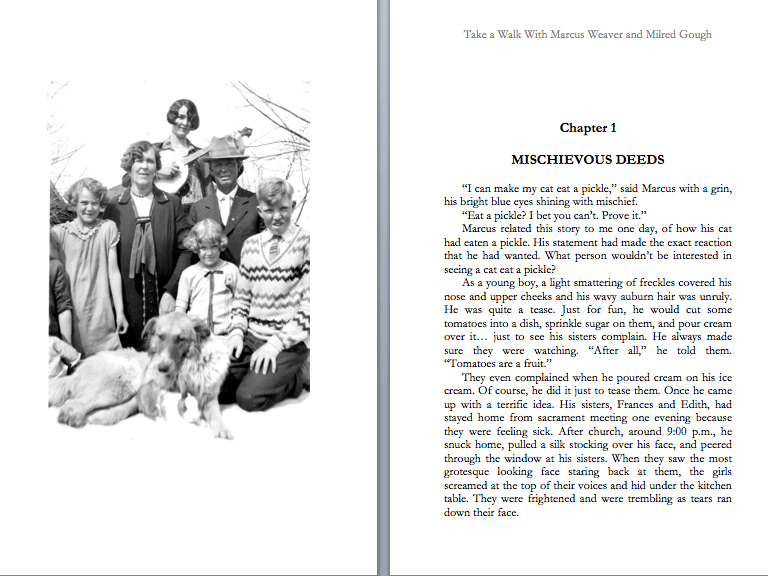
You want your book to look professional. Check every page and make sure the “chapter page,” which says Chapter One, etc., is on the right side. The right side is always the odd numbered pages. If you need to, you can have a blank page or a photo on the left side.
Example
Add photos! They help in telling a story. Remember to scan your pictures at 300 dpi for the best resolution. You don’t need to scan it any higher. When inserting your photo, I wouldn’t choose “wrap around” because the photo tends to move about. I would click “insert” at the top of the Word Document and insert it either above or below your paragraph. Or you can put them on the left side of the page, separate from your writing, like the example above.
There are many places to publish your book but my favorite is KDP. Kindle Direct Publishing is an “Independent Publisher” and the quality is excellent. You don’t have to pay anything upfront or buy a certain amount of books. It is absolutely free. All you have to do is upload your manuscript in the correct size you prefer. If you need any help with a book cover, they have a place on the KDP website where you can create your own book cover.
KDP will make your book available on Amazon and at Barnes and Nobles. Also, you get to set the retail price. Remember! You only have to pay the printing cost when ordering your books. Not the retail price. You can buy them on the KDP website where you uploaded your book. You are not limited to how many books you can buy. You can buy as many as you want at any time and as many times as you like.
Here are some examples. For a 5.25 X 8 inch black and white paperback, 241 pages, I pay $3.79. For an 8X10 paperback in color, 72 pages, I pay $3.44. The quality is excellent. KDP allows you to publish your book as a paperback, an eBook, and as a hard copy.
If you have any questions, let me know your concerns and I’ll try to answer them.
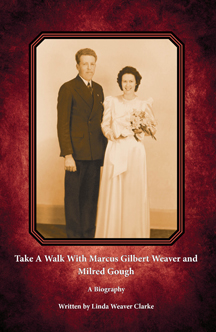
Here are some examples of book covers that my husband created for the biographies that I published.
Adding emotion to your story is very important. If you don’t weep while telling a tragic story, then begin again. If you don’t laugh during a hilarious incident, then write it again. You need to touch the hearts of your readers. How do you do that? By adding emotion and describing how you or your ancestors must have felt. It’s important to add feelings of fear, frustration, anger, etc. If you’re writing your own story, tell how you felt.
Fear: My knees shook, my heart beat rapidly, I trembled.
Anger: My face turned red, I clenched my jaw, I stomped my foot.
Frustration: I threw my hands in the air, I shook my head with frustration and said…
Love: Your children would love to find out how you felt about their father when you first met.
Here is an example of showing fear in my father’s biography. “Once Marcus came up with a terrific idea. His sisters, Frances and Edith, stayed home from church one evening because they were feeling sick. Around 9:00 pm, he snuck home, pulled a silk stocking over his face, and peered through the window at his sisters. When they saw the most grotesque looking face staring back at them, the girls screamed at the top of their voices and hid under the kitchen table. They were frightened and were trembling as tears ran down their face. When Marcus heard them, he opened the door and walked into the house with the stocking still over his head and gently said, “Don’t cry little girls. I won’t hurt you.” When they recognized his voice, they became angry and told their parents what he had done. Needless to say, he got into trouble over this little incident.”
When I asked my aunt about this experience, she said it was the most “grotesque looking face” she had ever seen, so I used her very words. She said they were scared and began crying. Instead of saying they were scared, I wrote: They were frightened and were trembling as tears ran down their face. By describing fear, it brings the reader into the story and they understand how the girls felt. You must put yourself in your ancestor’s shoes.
When my grandmother wrote about some experiences she had in her journal, I was impressed with how she described fear. This is what she wrote:
“I knocked at the door of a wealthy home. The man came out, took my tract, tore it into bits and called his large dog out of the house. I left with that dog pursuing me. With my hair rising and a terrible fear attacking me, I silently prayed and something told me to whirl about and thrust my open umbrella at him. I did so and that huge dog retreated. Then I told his inhuman master a few things.”
It was easy to feel what my grandmother felt when I read: “with my hair rising and a terrible fear attacking me.” That was a perfect description. Here’s another example from her journal.
“I took to the center of the road as it was darker on the walks and I didn’t like to get too near those weird looking factory buildings and alleys on both sides of the silent streets. Presently I heard footsteps. I saw a man following me. As I hurried, he also did. My tongue became dry and fear seized me. I prayed as I ran. I not only ran but I flew. How I crossed that tiny footbridge, I never knew! But I couldn’t feel the touch of the ground under my feet as I sped onward. With my Bible clutched tightly under my arm, I had left the man, downs, and everything behind, and was soon on the lighted highway and home.”
That was a great description of fear. If you have written your own autobiography or an ancestor’s account of a fearful experience, read it again and notice if you added “emotion” to your story. It will be hard for the reader to put down the book.
How would you describe feelings of love? My parents had been writing to one another for about a year before they met one another. When I asked my mother what it was like when they first met, this is what she told me. “When our eyes met, my heart leapt within me and a warm glow filled my soul, telling me that he was the man I was going to marry.”
I am so grateful that she told me how she felt. It was the perfect description. But how did my father feel? This is my father’s account: “All I remember is a wonderful perfect dream that goes through my mind like a marathon night and day. I dreamed I met a girl Saturday night, a perfect girl whom I had been thinking of, who far surpassed my imagination. As we swept over the floor to the rhythm of the music I was in love with her from that moment.”
It really touched my heart to read his description. As I was writing my own autobiography for my children, I thought about my feelings for my husband. We were good friends in college and we hung out together with our friends. When he invited me on a date, I thought nothing of it. But as we got to know one another, my feelings for him began to change. This is how I described how I felt in my autobiography:
“Looking into his eyes, I knew I’d fallen in love with my friend. I couldn’t deny it. My heart fluttered each time he held my hand or smiled at me. If that wasn’t love, I was fooling myself.”
Remember! Emotions, feelings, moods, and describing how you felt are very important. It brings a story to life. It helps the reader to become part of the story and want to read on. What is the secret? You must put yourself in your ancestor’s shoes.
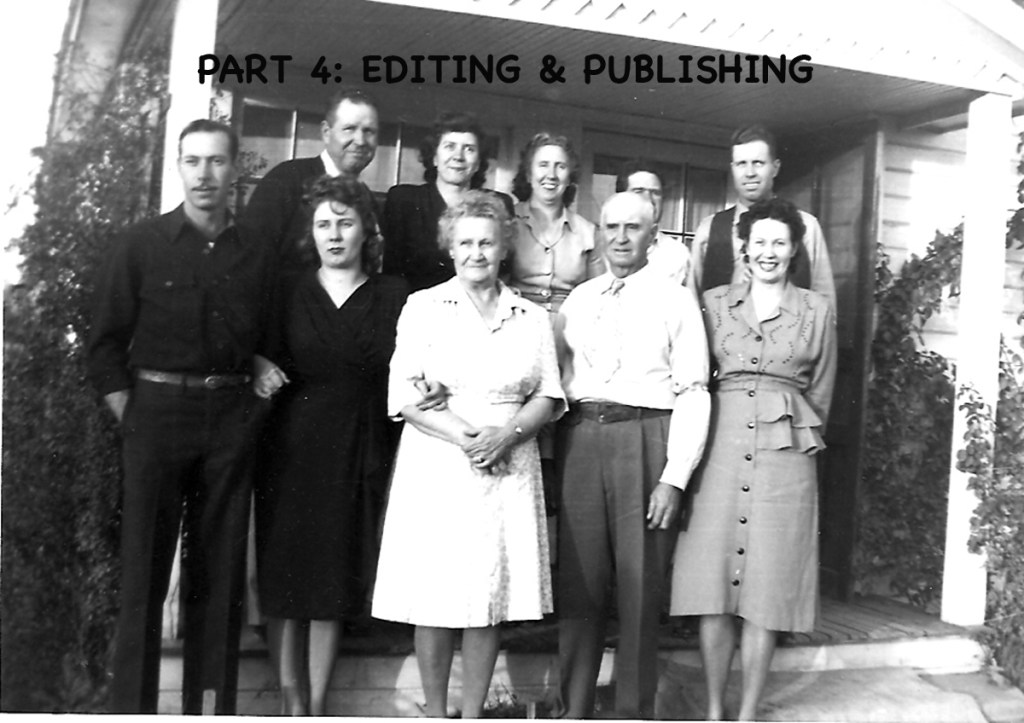
Next week, I’ll post Part 4: Editing & Publishing Your Biography.
Your Research is done. You are now going to write your first short story. How do you organize your story to make it interesting? First thing to do is divide it into four sections.
1. The Hook: Introduce your ancestor. Tell something interesting about him or her. If you’re writing your autobiography, introduce yourself. I will use my great grandmother’s biography as an example:
“Sarah Eckersley was a little over a year old when her parents left England on the ship Palmyra. They were six weeks crossing the ocean. On the trip, Sarah was taken ill and her fever was so high that she lost her hearing. When they noticed something was wrong with Sarah, her father shot off a gun and she did not respond. Sarah was deaf.”
2. Develop your Ancestor: Describe your relative’s personality. What does he or she look like? I will now continue to give an example of Sarah.
Sarah’s mother taught her sign language and she soon was able to communicate with others.
Sarah grew to be a beautiful young woman with black hair and blue eyes, five foot and five inches tall.
Sarah could tell when the train was coming when it was three miles away because she could feel the vibrations of the train.
Sarah was a very good swimmer and would dive into the water with such poise and grace that passersby would throw coins in the creek to watch her dive after them.
She enjoyed dancing. Even though she was deaf, Sarah could feel the beat and vibrations of the music and she danced with such grace that most every gentleman wanted to dance with her.
3. Construct Events: It sets the stage for what you’re about to tell your reader, leading up to the purpose of the story. Continuing Sarah’s story, here is another example:
“Sarah had to rely on women’s intuition to raise her family. She knew when her baby was awake and needed her. Her husband never had to tell her. She sensed it. At night, she would wake up even before her baby cried. When the neighbors were visiting, they were amazed when Sarah excused herself to get her baby who had just awakened from a nap.”
4. Present the Theme of Your Story: You are now ready to narrate your story. Your character should be faced with a decision to make or a problem to solve. This is the plot of the story. In this biography, Sarah senses that someone is in her home. What is she going to do about it? She has a decision to make and a problem to solve. Sarah’s story continues.
“After returning from town, she sensed the presence of someone in the house. Acting quickly, she grabbed her broom and began searching her home. She had a feeling to check her bedroom. But when she entered the room, no one was in sight.
“Quietly stepping to her bed, she looked under it. There she found an evil man crouched and waiting for Sarah. But he was not prepared for a strong and determined woman with a weapon in her hands.
“With all the strength she had, Sarah whacked him out from under the bed with the broom. Hitting him over the head again and again, she chased him from the house and down the street. Sarah had spirit. This man thought he could take advantage of her since she was deaf, but he did not expect such courage and fled.”
By narrating Sarah’s experience, her story comes to life. How would it have sounded with just the facts and no narration? Here is an example: Sarah sensed the presence of someone in the house. She grabbed her broom and began searching. When she looked under her bed, she found a man crouched and waiting for her. Sarah whacked him out from under the bed with her broom and chased him out of the house.
Did you feel part of the story with just the facts? Write your story in narrative style. Keep it interesting. Add description.
Here is another example from my father’s biography with the facts only: The skunks were always trying to get into the chicken coop. So Marcus was asked to bury the skunks his father had shot. Before burying them, he would drain their scent into a bottle. When he took the “skunk oil” to school to show his friends, he accidentally dropped it and it splattered all over the floor. It smelled so bad that the teacher excused school for the rest of the day. His friends considered him a hero because he had gotten everyone out of school.
Now… taking these facts, I narrated this story and added description. This is how my father’s story turned out.
“When Marcus was thirteen, one day he closed down the school. It wasn’t on purpose, but his friends thought he was a hero. Marcus was asked to bury the skunks that his father had shot. Before he buried these skunks, he went to his bedroom and got his glass jar. Then he drained their scent glands and screwed on the lid nice and tight.
“The following day, he took the “skunk oil” to school with him to show his classmates. Marcus was so excited as he explained what he had done. His friends were listening and a few girls were peeking over his shoulder. They had never seen “skunk oil” before. With all the excitement and attention he was receiving, he felt the bottle slip from his hands and land on the floor of the schoolroom.
“The bottle broke into a million pieces and skunk oil splattered everywhere. It landed on the pant legs of his friends, the skirts of young girls standing nearby, and on his own shoes. As the oil saturated the wooden floor, the children moaned as the room filled with the most putrid, foul, disgusting, detestable odor anyone had ever breathed in.
“The children instantly held their noses with their fingers and turned and ran out the door, stumbling over one another as they ran. Marcus was close behind. And so was the teacher! She excused school for the rest of the day and Marcus did not get into trouble. He figured the children were so excited to get out of school that no one told on him.”
It is important to narrate your story by putting yourself in your ancestor’s shoes. Make the story interesting. Paint a picture like an artist, making the scenery and characters believable.
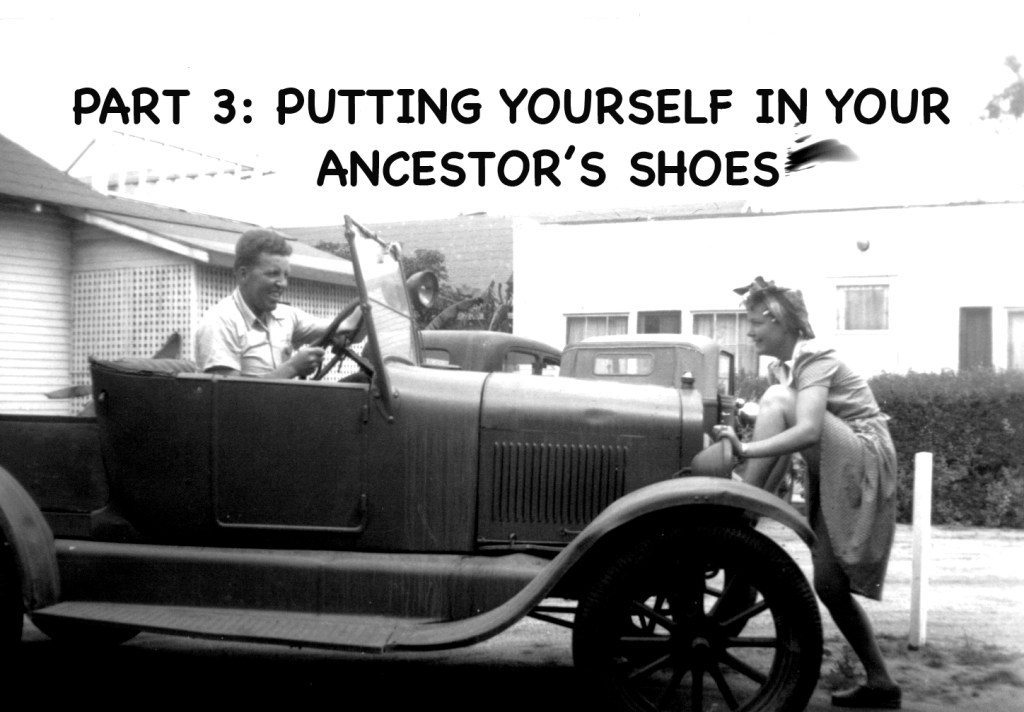
Next week, I’ll post Part 3: Putting Yourself in Your Ancestor’s Shoes.
Reasons you should write the stories of your parents, grandparents, and ancestors: Learning about your ancestors can be so much fun. As I learned more and more about my ancestors, it was the beginning of a marvelous experience.
The importance of writing your family history can never be over emphasized. Each of us has a story from our ancestors or even our very own story to tell. If these stories are unwritten, how are your children going to know their heritage or family traditions from the past? Are these stories and traditions going to be lost to your children because you failed to put them down on paper? It’s up to you to write down these experiences.
Why should you write their stories? The memory of your parents, grandparents, and great grandparents will live on if you write them down. Secondly, did you know that their lives were and are an influence on us? Who do you take after? What genetics were passed on to you? Lastly, if you don’t write their stories down, future generations won’t know about them. It’s time to get busy! Take the time to write the stories that have been passed down to you. Or you can write your own autobiography.
Whether you’re writing about a loved one or your own story, you might feel that it is overwhelming and aren’t sure how to begin. If you have an inspiring story to tell or intriguing incident to describe, perhaps writing each experience as short stories would be easier for you, rather than beginning at birth and listing everything they did or you did chronologically. Each chapter could be a short story.
In this four-part series, I will explain how to write each experience as a short story so it’s easy to understand and you won’t feel overwhelmed.
You Must Research 3 Things Before Writing Your Story
1. The area your story takes place: Find out everything you can about the area to educate your readers and make the setting feel real. Describe what the area looks like. If you can’t go there in person, do research online.
2. Your parents or grandparents: Find out what they were like, their strengths and weaknesses, their hobbies, their failures and victories. What was their occupation? Ask friends, neighbors, and family about them. Get them together with friends who like to reminisce. That works every time. It would be good to take along a recorder. If you don’t know much about them, don’t worry. You will get to know them as you write their stories.
3. The time period: What were the hairstyles or clothes styles like? During the roaring twenties, women raised their hemlines and bobbed their hair, but the new style created a lot of trouble. Some women were fired from their jobs. A New Jersey schoolteacher was told that if she grew her hair back then the school board wouldn’t fire her. In a 1925 newspaper, a preacher warned his congregation that a “bobbed woman was a disgraced woman.” Did your mother bob her hair?
What kind of games did they play? Men played games that challenged their strength such as: wrestling and stick-pull. Did your grandmother play with paper dolls? They have been around for over 200 years. You can find paper dolls online that date back to the 1800s to add to your story.
How about jump rope rhymes? A guest at one of my classes told me that she wanted to teach her grandchildren the jump rope rhymes that she grew up with but couldn’t remember them. So she searched online and found them. Don’t you think your children would get a big kick out of the rhymes you grew up with? Add them to your story. Here are two that you might remember:
Cinderella dressed in yella, Went downstairs to kiss a fella, Made a mistake and kissed a snake. How many doctors did it take 1, 2, 3, . . .
I eat my peas with honey, I’ve done it all my life. It looks a little funny. But it keeps them on my knife. How many peas can I get on my knife? 1, 2, 3, . . .
Put a bit of history in your story to let your family know what it was like to live at that time period. Did you know that they rationed gas to 3 gallons per week during World War II? In my father’s letters to my mother, he said he couldn’t drive up to see her very often because of the rationing of gas and tires. They even rationed silk stockings. How did the women react to the rationing of silk stockings? My mother told me that she put leg makeup on her legs and drew a line down the back of her leg with an eyebrow pencil so it would look like the seam of a silk stocking.
In one of my classes, a woman told me that her little brother had lost his shoe. It fell in a canal and floated away. When they went to town to buy some shoes, they found that they were being rationed and had to be on a waiting list. A gentleman in one of my classes told me that his mother was on a waiting list for a washing machine because the metal was being used for the war. But that wasn’t all. Sugar, meat, and other foods were being rationed. Spam became very popular during that time period. World War II affected everyone’s lives.
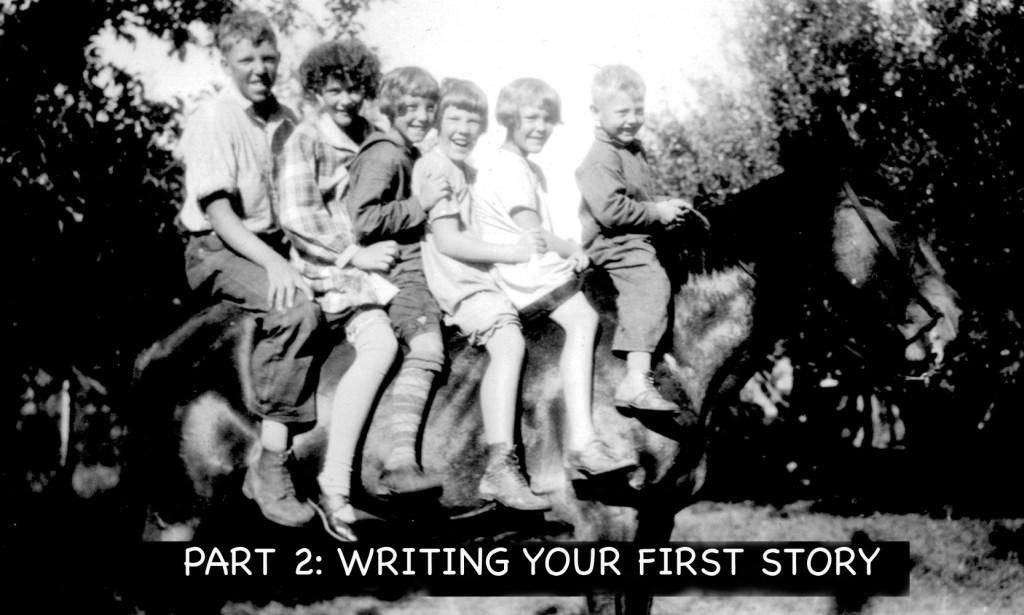
When your research is done, you will be ready to write your story. Next week I’ll post Part 2: Writing Your First Story.
In the 1840s, women felt the need to speak out and be heard. They desired equality. They wanted to vote and get a higher education.
When brave women gave speeches on the subject, it was frowned upon. A pastoral letter from a minister in Massachusetts said a woman who speaks publicly is “unwomanly and unchristian.” The pastor also mentioned that it would “threaten the female character with widespread and permanent injury.” Was this how the men really felt back then?
When Elizabeth Stanton went with her husband to a convention that was against slavery, she tried to give her opinion but was put down and told that women were not permitted to give speeches. It was solely a man’s place to speak publicly.
But that wasn’t the only time that women tried to speak out. Susan B. Anthony was arrested for voting illegally in a presidential election. She was fined $100 but she refused to pay it. She said, “Resistance to tyranny is obedience to God.”
In the late 1700s, Abigail Adams, the wife of John Adams, was the first woman to stand up for women’s rights but America wasn’t ready for equality at that time. Even though it was not proper, women still gave their opinions.
Do you have some courageous ancestors that were an influence on you and stood up for their beliefs? I had a great grandmother who stood up for her rights and would not allow any man to intimidate her. She was told by a group of men that if she denounced her religion then they would not burn down her home. The leader of the mob was a large burly man and she had every right to be frightened. But Martha would not give in to fear. She was a devout Christian and would not deny her Faith. With strength and courage, she stomped her foot and said: “You may burn it and be damned.”
In my new historical romance, A Mississippi Sunset, Laura is a liberated and courageous young lady who is convinced that she can make a difference in the small town of Willow Valley. Standing on a tub in Town Square, she encourages all women to fight for their rights and stand up for their beliefs. Equality was her message.
“This is the third book in the Women of Courage series. It is a clean, sweet, historical romance and tells the story of Laura, who is a feminist before her time. The author paints a fabulous picture of the era, and her characters are vivid and realistic. The main theme is the topic of women’s rights and it is intriguing, interesting, and thought-provoking.” –Regina Andrews, Author and Reviewer
When voting was talked about in the 1800s, most men didn’t like the idea of women participating. They said women didn’t have the mental capacity to understand politics, so there was no need to have them vote. It was up to the men to decide what was best. But that wasn’t how Deputy William Davies felt. When he met Laura McBride, he was intrigued with her independent nature. He admired her spunk and what she represented.
While standing before her audience, a businessman in a suit raised his fist in the air and yelled, “It’s improper for a lady to preach publicly. It’s unwomanly and unchristian. Go home, lady!”
Laura lifted her chin and said with spunk, “I don’t mind being told I’m unwomanly. But I’m going to defend my faith. I’m a devout Christian. And I believe what I’m doing is what God wants me to do. How about you? Does God want you to take away people’s agency?”
The man did not answer but furrowed his brow and mumbled something that she did not understand.
After reading A Mississippi Sunset, Author Gail Pallotta wrote: “Mrs. Clarke based this interesting historical book on one of her ancestors. Taking the reader back in time, the book shows how many supported rights for women and wanted to rid the country of slavery while others wanted to leave things as they were. It also illustrates how one brave woman, such as Laura, can change the minds of so many others.”
Bringing a bit of history to life, you will learn why many fought for equality and what they had to put up with to let it be known. Women were an important part of history during this time period and made a difference.
Some immigrants learned about America and its opportunities from the newspaper while others heard about it from traveling missionaries. Many were seeking relief from political and religious persecution but others were just following their hearts. They didn’t know what the future would bring to them. Frances Davies, my great grandmother, was one of them.
She left her beloved homeland of Wales to live in America, the land of opportunity. Frances had attended a private school and received an education that set her apart from other young women. She was referred to as a “lady of refinement.”
Her Aunt Susan didn’t want her to leave and begged her to stay in Wales. She said that Frances would inherit her fortune if she stayed but Frances stood firm and unyielding and wanted to join her brothers who had immigrated to America a few years earlier. No matter how hard Aunt Susan tried, she could not influence her niece’s decision.
When I read about my great grandmother’s experiences written by my grandmother, I was impressed with her courage. She was only seventeen when she left for America. That would take a lot of bravery. But that wasn’t all. She faced some thieves, dressed in a cavalry uniform, and chased them off her property. Then she saved a man’s life who had been gored by a bull in his abdomen.
When I decided to put together a series of novellas called “Women of Courage,” I took many of my great grandmother’s experiences and gave them to a fictional character named Serenity, bringing her story to life.
A Lady of Refinement is a historical romance set in 1844.Reading is Serenity’s favorite pastime, where she can go on one adventure after another. She wonders if anyone can measure up to the heroes in her books. But the adventures soon become real after arriving in America.
When Jonathan meets Serenity, an educated and courageous woman from Wales, he becomes intrigued with her and wonders how he can win her heart. Her brother gives him some advice, but Jonathan begins to question his wisdom. Should he trust his friend or is he leading him astray?
Louise Pledge, a reviewer, wrote: “How I enjoy finding a book that will not let me put it down until I’m done! This was the case with A Lady of Refinement. Linda Weaver Clarke used a true story of her ancestor’s as a base, and it rang familiar to me, as my ancestors also migrated to America from England during the same time period. The main character, Serenity, is the refined lady, and it was such a delight when she bested a few arrogant males. My favorite character, however, was Jonathan, who was very taken with Serenity. Time will tell if he is successful at capturing her attention.”
After arriving in America, Serenity found that many an adult could not read or write, so she set to work teaching an evening class especially for adults. Each night she teaches her students how to write their names so they wouldn’t have to put an X for their signature. When Jonathan joins her class, her world takes a new turn, one she didn’t expect. What was her reaction?
Author Gail Pallotta wrote: “At first she sees him as a quiet man, but when she witnesses some of his heroic actions she thinks of Ivanhoe, a character she admires in a book. Even though she’s drawn to Jonathan, she has a rule that won’t allow her to date a student, and she’s sticking to it. Jonathan’s infatuation leads him to try many approaches to get to know Serenity better, even to the extent of following her brother William’s sometimes bad advice.”
How did Jonathan react to William’s bad advice? There are some comical scenes in this story that will make you laugh out loud. Gail went on to say: “I enjoyed this sweet love story, especially Jonathan trying desperately to win over Serenity, while she hesitates to get to know him. Based on true events of the authors’ ancestors, the book takes the reader back to a gentler time when men were more chivalrous and a woman like Serenity more difficult to win over.”
All of us have challenges in our lives and we feel so alone. We sometimes wonder if we are the only ones who are experiencing difficulties. Have you ever felt that each trial you have endured was so difficult that you wondered where the “light at the end of the tunnel” was? Many times we don’t bother talking to anyone about it or asking for help. But we are not alone in our grief. Others have walked the same path.
I have learned a lot about my ancestors during the past few years. It touched my heart when I read my great grandmother’s life story written by her daughter. Hannah and her husband came here to America in the mid-1800s for a better life. On the ship from England, Hannah’s one-year-old daughter became very ill, which resulted in deafness. One year after arriving in America, Hannah gave birth to a baby boy but she was not meant to have him long. He died six weeks later. A year later, a sheriff came to her door and announced that her husband had been murdered on the streets of St. Louis, Missouri. Realizing she had to make a living for her children, Hannah took a job as a maid at the largest hotel in St. Louis.
What a courageous woman! Would I have been that brave if I were Hannah? Would I have turned around and headed back to my family in England? Her family volunteered to pay her passage if she returned. But she chose to stay instead.
“No matter our circumstances, no matter our challenges or trials, there is something in each day to embrace and cherish. There is something in each day that can bring gratitude and joy if only we will see and appreciate it.” ~ Dieter F. Uchtdorf
This was Hannah’s attitude as she tried to search for the “light at the end of the tunnel.” How many times do we search for that light, wondering where it is and hoping that our trials will soon end? Is God watching over us? Is He there when we need some comfort? In our darkest moment, does Jesus Christ know how we feel? I believe He does.
Five years later, Hannah earned enough money to board a riverboat and head northward, far away from St. Louis. That was when she met a wonderful man who fell in love with her.
Hannah was the inspiration for my new series of novellas called Women of Courage. Using her experiences, I created a historical romance set in 1844 called The Light at the End of the Tunnel.
Book Reviewer and Author Gail Pallotta wrote: “This romance wrapped around my heart as it took me into the struggles of Hannah, such a brave woman. The characters come to life on the page as Thomas falls for Hannah. However, Hannah is caught up in her day-to-day trials, and with her independent streak she only thinks of making a life for her and her daughter. Can Thomas get her attention and change her mind?”
After coming to America and enduring several challenges, Hannah realizes she can make something of her life by opening a hot chocolate shop. She soon finds that starting her own business isn’t as easy as she thought.
When Thomas finds out that Hannah’s shop is struggling, he comes to the rescue with a clever plan. Will she agree to such an unconventional idea? Can he convince her to find room in her heart for one more person?
After reading this novella, Author Regina Andrews wrote: “From the opening scene on a steamboat in the Mississippi River to the beautiful concluding paragraph, filled with gratitude and happiness, author Linda Weaver Clarke takes the reader on a journey that will touch the imagination and warm the heart in her new novella The Light at the End of the Tunnel. This is an incredibly engrossing sweet historical Christian romance. I was completely swept up in this book from the minute I read the first sentence.”
To buy this book or eBook on Amazon.
Is this your new site? Log in to activate admin features and dismiss this message